

- Home /
- Process Solutions /
- Pulverizing & MillingSolutions
Pulverizing & Milling Solutions
Controlled particle size reduction from coarse grinding to fine and ultrafine powder applications. MillNest engineers this process stage around material behaviour, required output, capacity, hygiene, dust and downstream integration.
Application-first engineering — machine selected after material review
Integrated dust control, hygiene and service support
Customised Proccess Design

Chilli
Black Pepper
Chemicals & Pigments
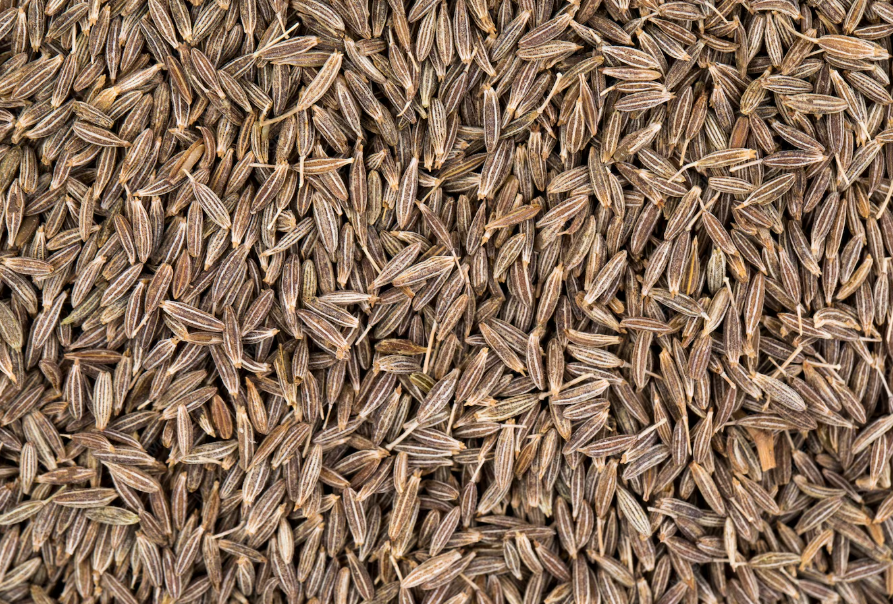
Cumin Seed Spice
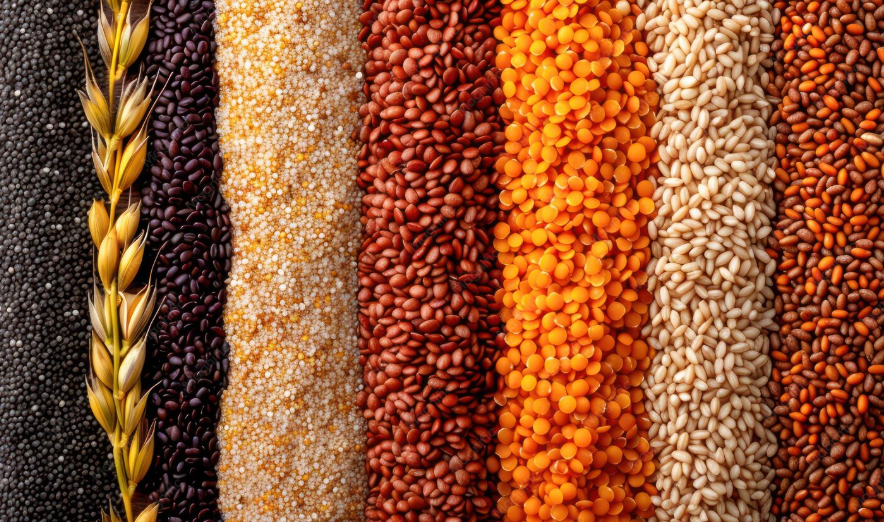
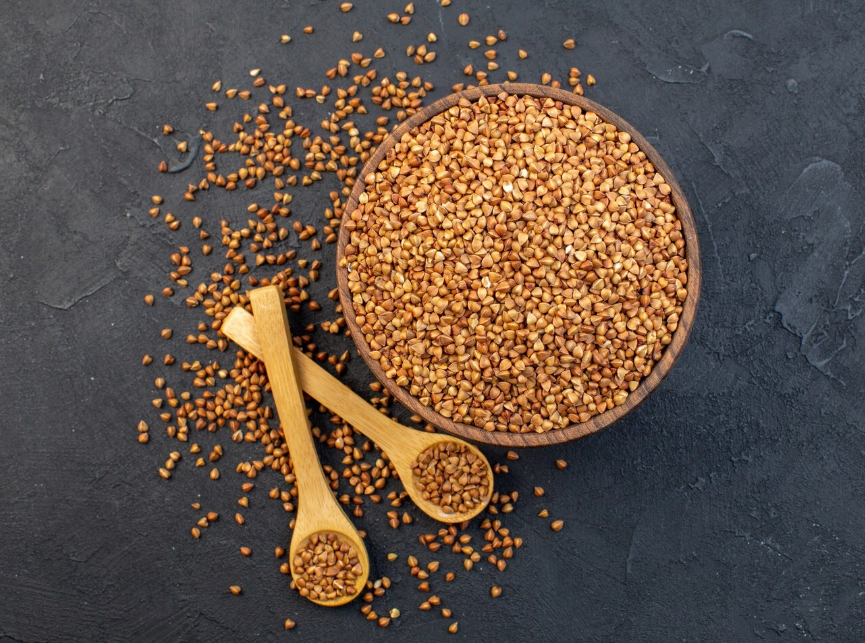
Grains & Grain
Coriander
Dehydrated Onion & Garlic
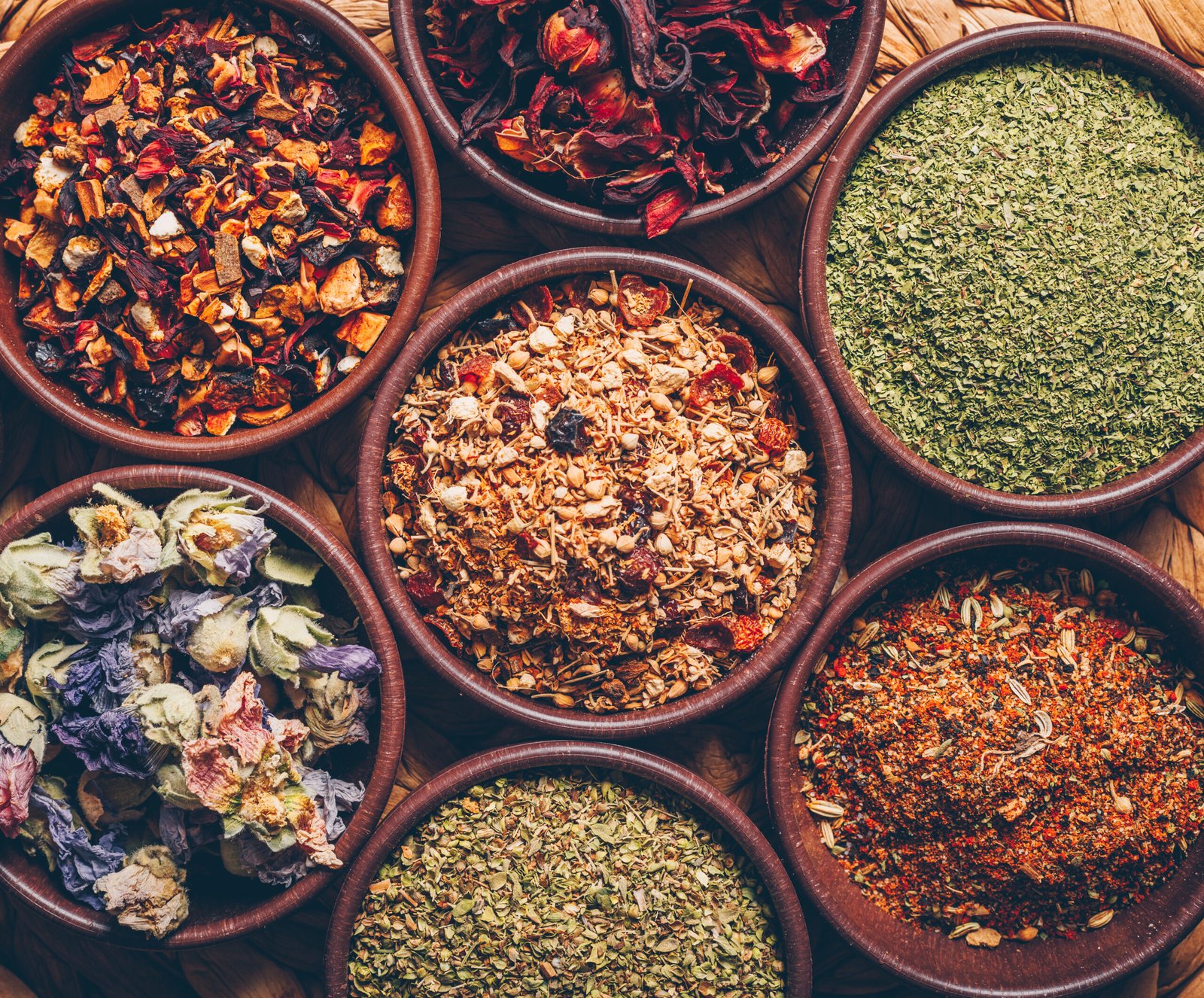
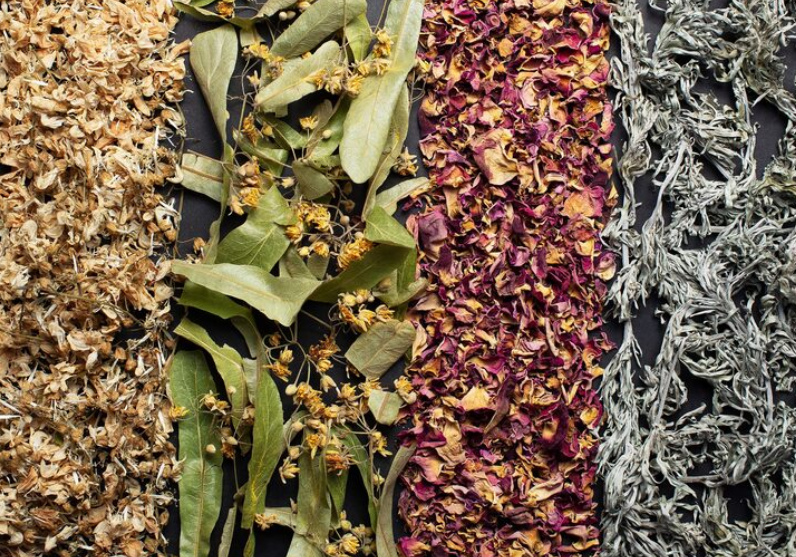
Dried Herbs
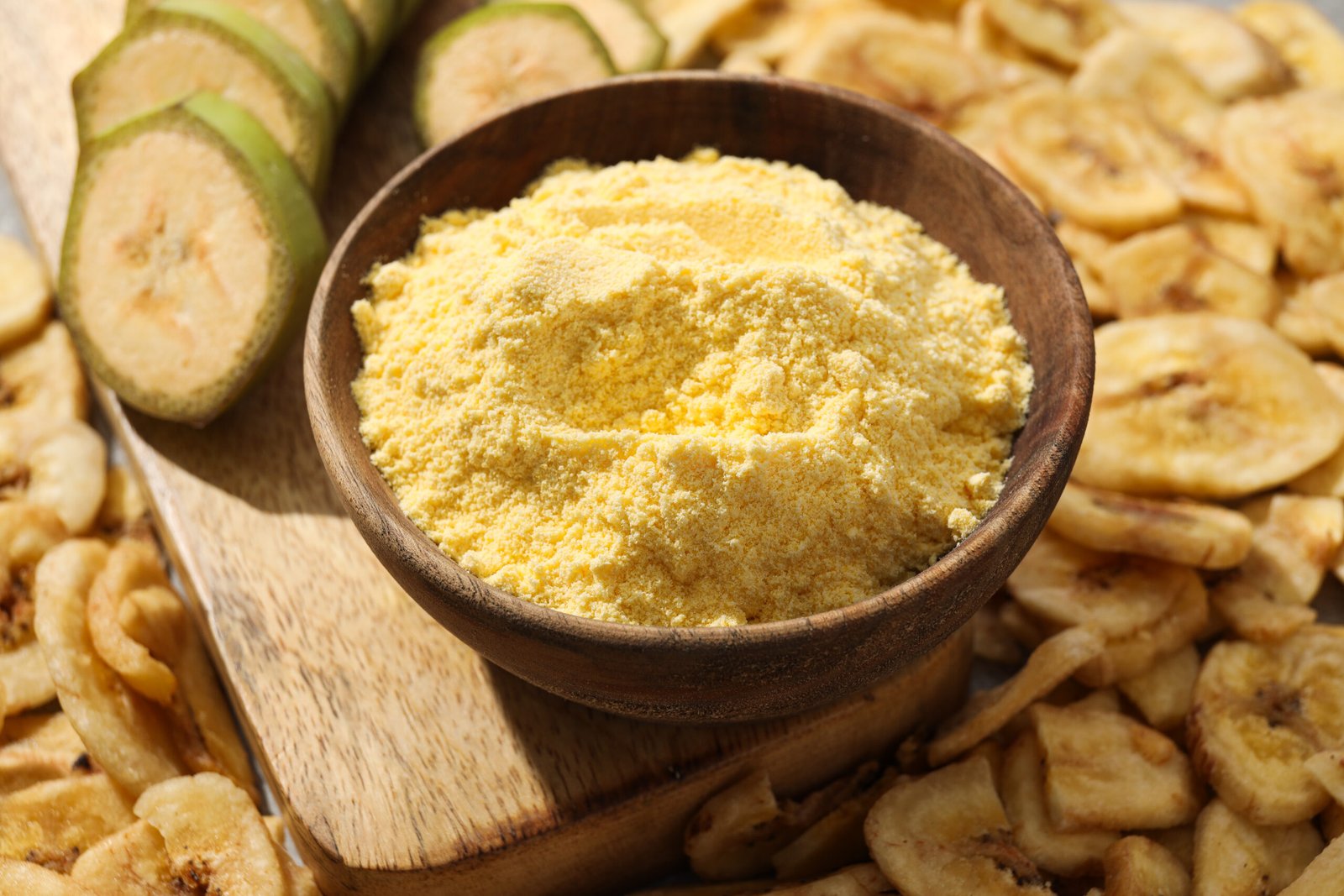
Besan & Pulse

Pharmaceutical

Protein & Nutraceutical
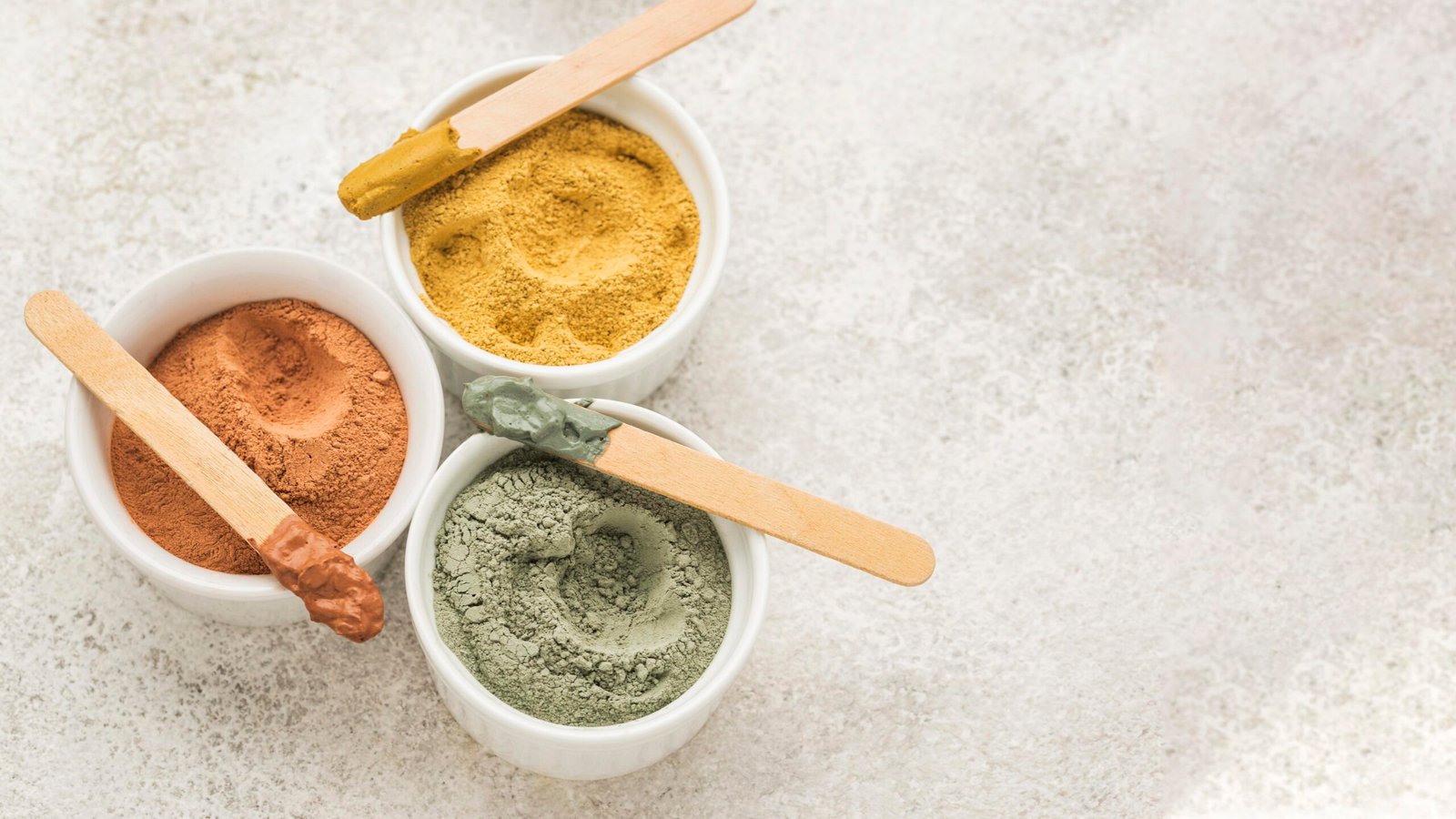
Specialty Powders
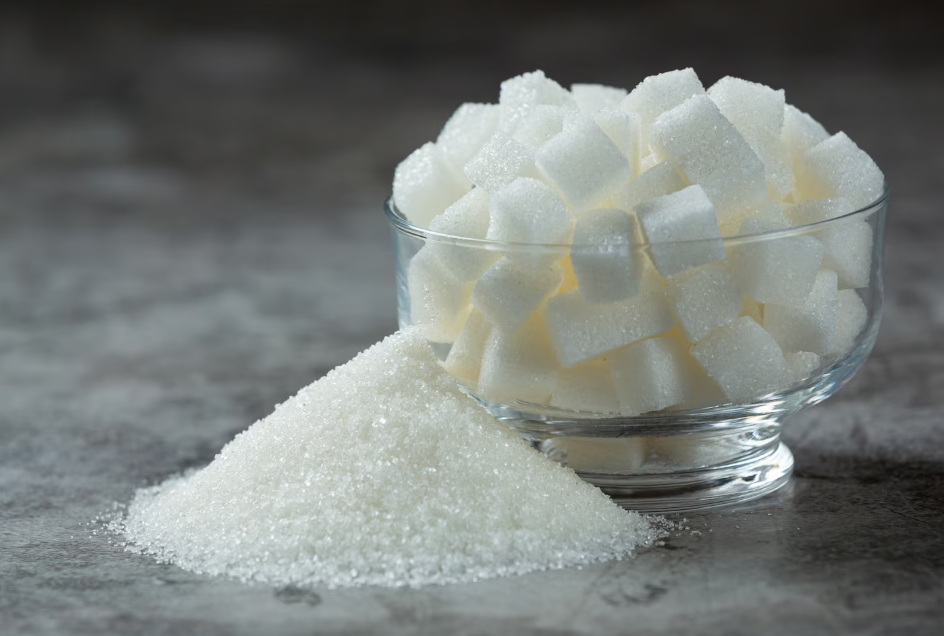
Sugar

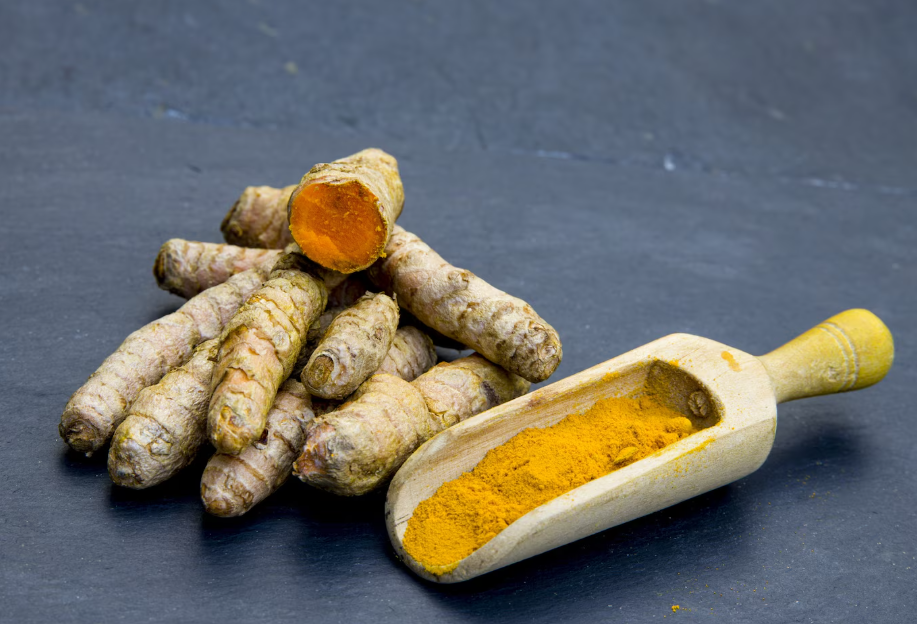
Turmeric
Each step is designed around your material’s specific behaviour and your downstream requirements.
Every grinding problem has a root cause. MillNest reviews material behaviour and process conditions before selecting a technology route.
Heat Rise During Grinding
Heat-sensitive spices like chilli and turmeric lose volatile oils and colour when grinding generates excess temperature. Addressed through equipment selection, speed control and cooling integration.
Inconsistent Particle Size
Uneven output leads to product quality variation, formulation failures and customer rejections. Screen configuration, classification and rotor speed all influence final distribution.
Dust Generation
Uncontrolled dust creates hygiene risk, product loss, fire hazard and operator safety issues. Integrated de-dusting, bag filtration and enclosed design address this at the source.
Aroma & Colour Loss
Prolonged grinding time and heat exposure degrade essential oils and natural pigments. Low-heat milling routes and reduced residence time protect product sensory value.
Selection depends on feed material, target particle size, throughput, heat sensitivity and cleaning requirement. MillNest reviews these before any recommendation.

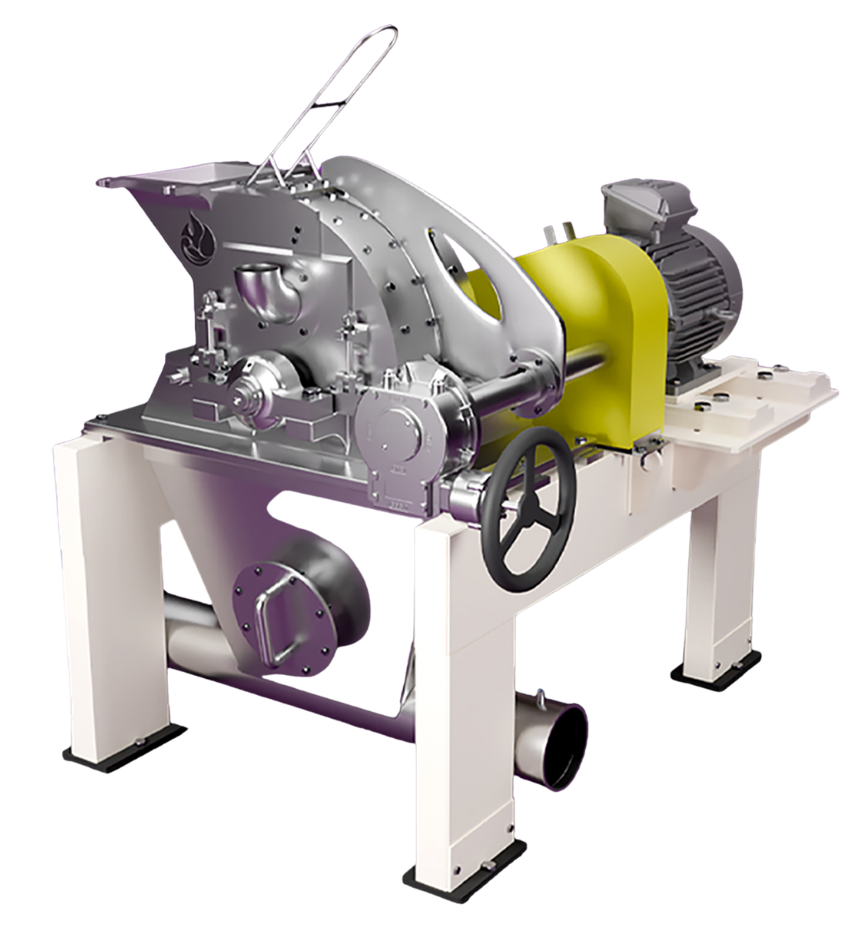
Hammer Mill
Coarse to medium grinding
Reliable, high-throughput grinding for dry, brittle, fibrous and spice materials. The industry workhorse for chilli, turmeric, coriander, cumin, dried herbs, sugar and grains. Screen-based particle control with interchangeable configurations.
- Spices & Herbs
- Food Ingredients
- Grains & Pulses
- Chemicals
Air Classifying Mill
Fine & ultrafine powder control
Integrated impact grinding and dynamic air classification in a single unit. Delivers tight particle size distribution with reduced overgrinding. Ideal for pharma powders, nutraceuticals, pigments and fine spice applications where D90 matters.
- Pharma
- Nutraceuticals
- Fine Spices
- Pigments
Universal Mill
Flexible grinding & trials
Multi-mode milling with impact, shear and attrition options in one platform. Suitable for facilities processing multiple materials or validating new products. Low heat generation makes it ideal for heat-sensitive spices and volatile oil retention.
- Multi-material
- Heat-sensitive
- Product Trials
- Flexible Output
Selection is driven by material properties, target output specification and operating requirements — not by general preference.
Feed Material
Material Behaviour
Hardness, brittleness, oil content, moisture and abrasiveness all determine the milling approach and configuration.
Output Target
Particle Size Goal
Coarse (500–2000 µm), medium (100–500 µm), fine (20–100 µm) or ultrafine (<20 µm) each require different equipment paths.
Process Conditions
Heat & Hygiene
Heat-sensitive materials require low-energy milling routes. Food-grade and pharma applications need hygienic design and validation support.
Production Scale
Throughput & Capacity
Small-batch pilot, multi-shift production and continuous processing each call for different machine sizing and configuration strategy.
Quick Reference: Solution Summary
Use this as a starting point — engineering review required before final selection
| Parameter | Details |
|---|---|
| Suitable Materials | Chilli, turmeric, coriander, pepper, cumin, herbs, sugar, grains, pharma powders, pigments |
| Machine Families | MHAM Hammer Mill, MACM Air Classifying Mill, MUNI Universal Mill, Cryogenic review available |
| Particle Size Range | Coarse (2000 µm) down to ultrafine (<10 µm) depending on configuration |
| Capacity Range | 10 kg/hr pilot to 5000 kg/hr production scale |
| Problems Addressed | Heat rise, inconsistent size, dust generation, aroma & colour loss |
| Construction | MS, SS 304 / SS 316, food-grade and pharma-grade available |
| Next Step | Submit material details or request a trial review |
Pulverizing & milling is one stage. MillNest engineers complete lines — from raw material intake to final packing.
Granulation & Cutting
Controlled cutting and flaking for fibrous, tough and irregular materials.
Mixing & Blending
Uniform distribution of powders, granules, spices and specialty formulations.
Drying & Cooling
Moisture reduction, stabilisation and temperature conditioning for free-flowing powders.
De-Dusting & Filtration
Dust capture, product recovery and cleaner work environments for powder lines.
Material Handling & Conveying
Enclosed, hygienic transfer of powders and granules between process stages.
Weighing & Batching
Accurate dosing, recipe control and batch traceability for multi-ingredient production.
Pasteurization & Sterilization
Natural steam HT-ST microbial control for spices, herbs, seeds and regulated ingredients.
Waste Heat Recovery
Recover usable heat from process exhaust where technically viable to reduce energy costs.
Tell us about your material.
We'll design the right milling solution.
Share your material details, target output, production goal and current challenge. MillNest will guide you toward the right process route and machine configuration.