

- Home /
- Process Solutions /
- De-Dusting & Filtration
De-Dusting & Filtration Solutions
Dust captured at source — not recirculated through the workspace
Product-recovery design returns fine powder back into the process
Combustible dust safety reviewed as part of every system design
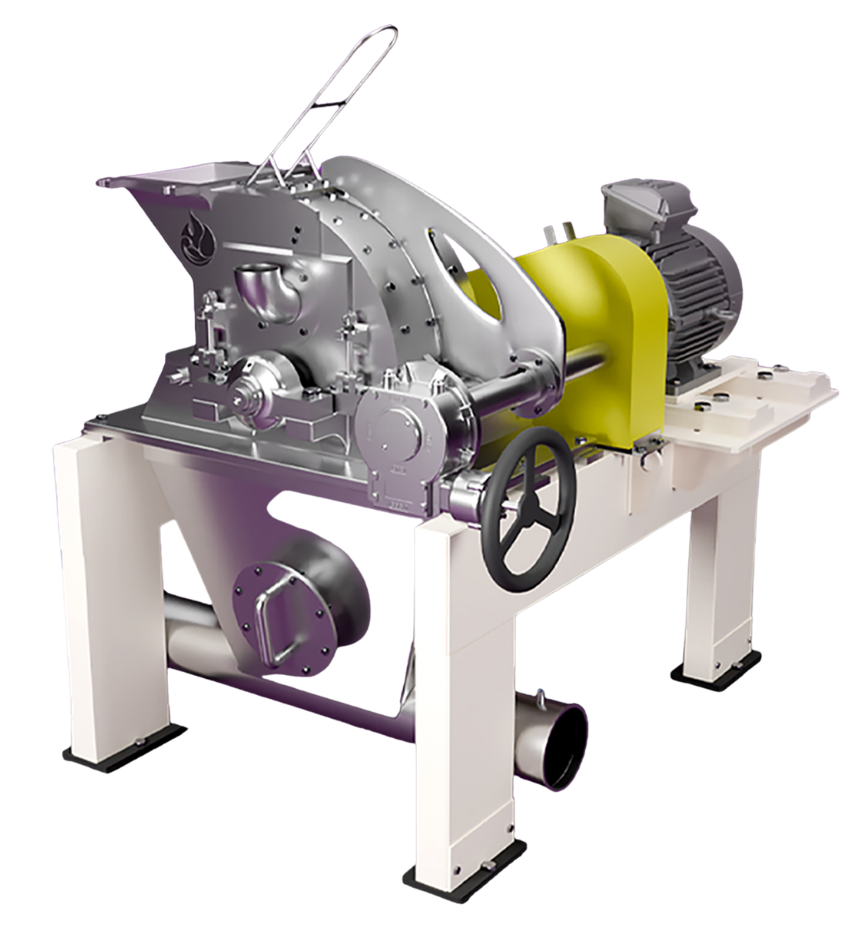
De-dusting and filtration technology is selected around the specific dust generated by your process — its particle size, bulk density, hygroscopicity, explosibility class and required discharge method all determine the right system design.

Chilli

Black Pepper

Chemicals & Pigments
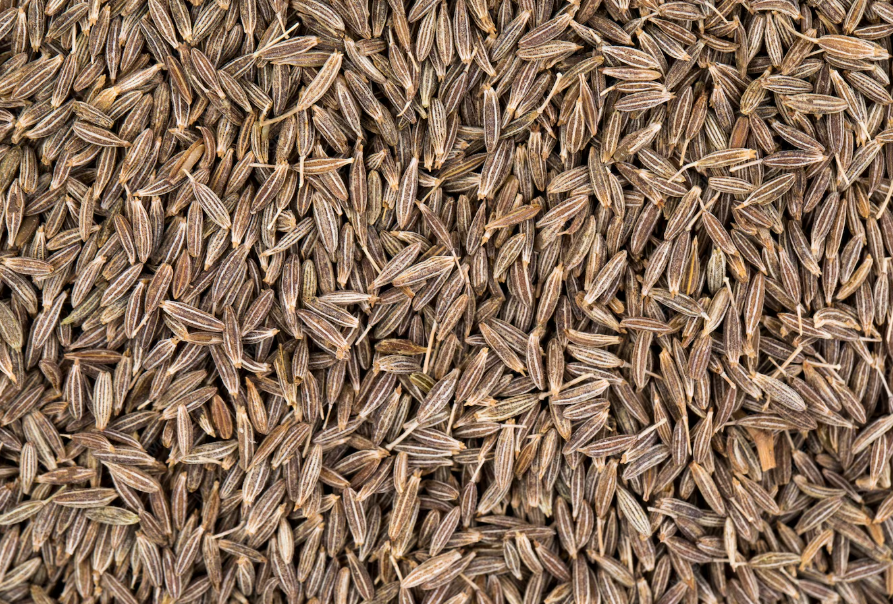
Cumin Seed Spice

Grains & Grain
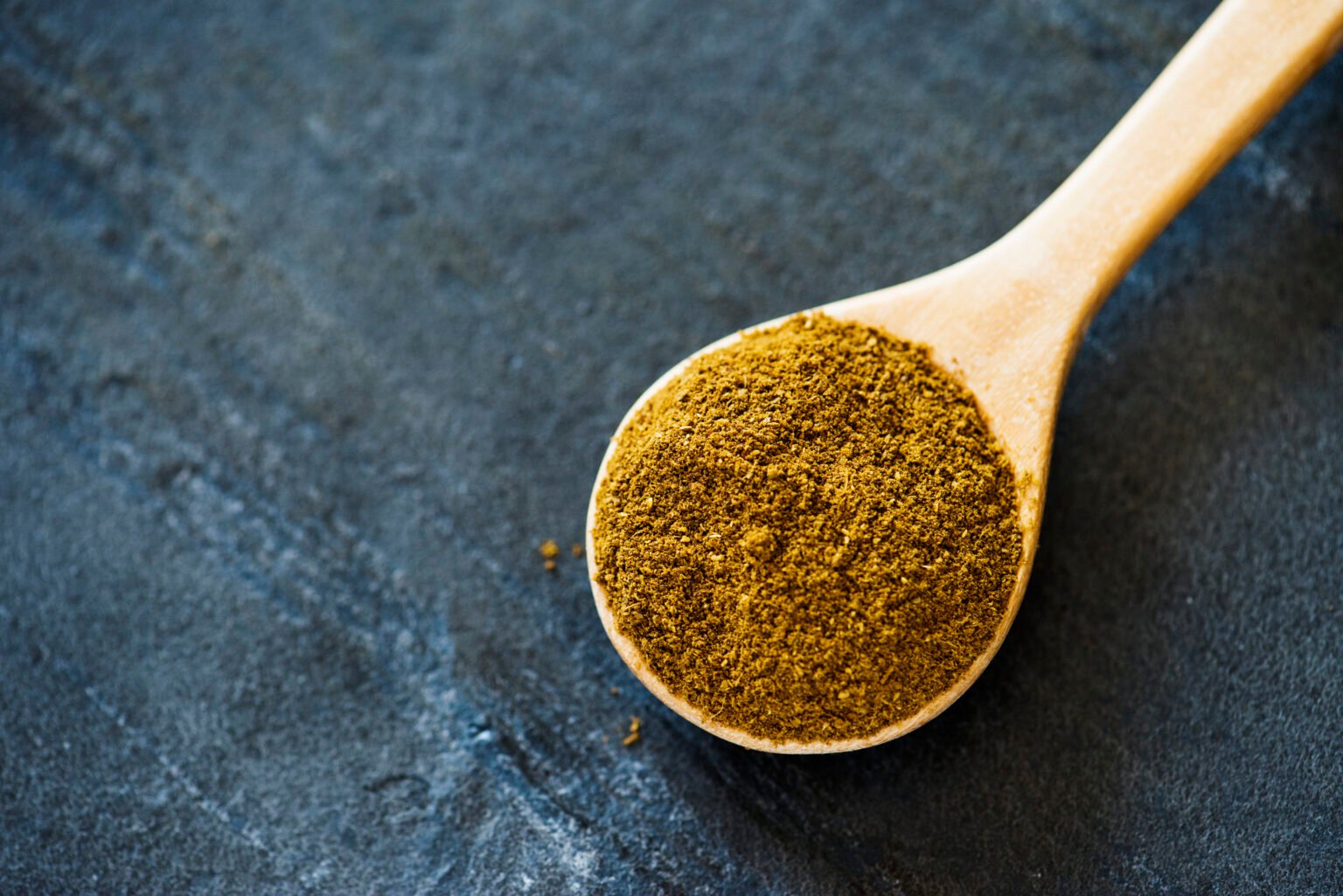
Coriander

Dehydrated Onion & Garlic

Dried Herbs
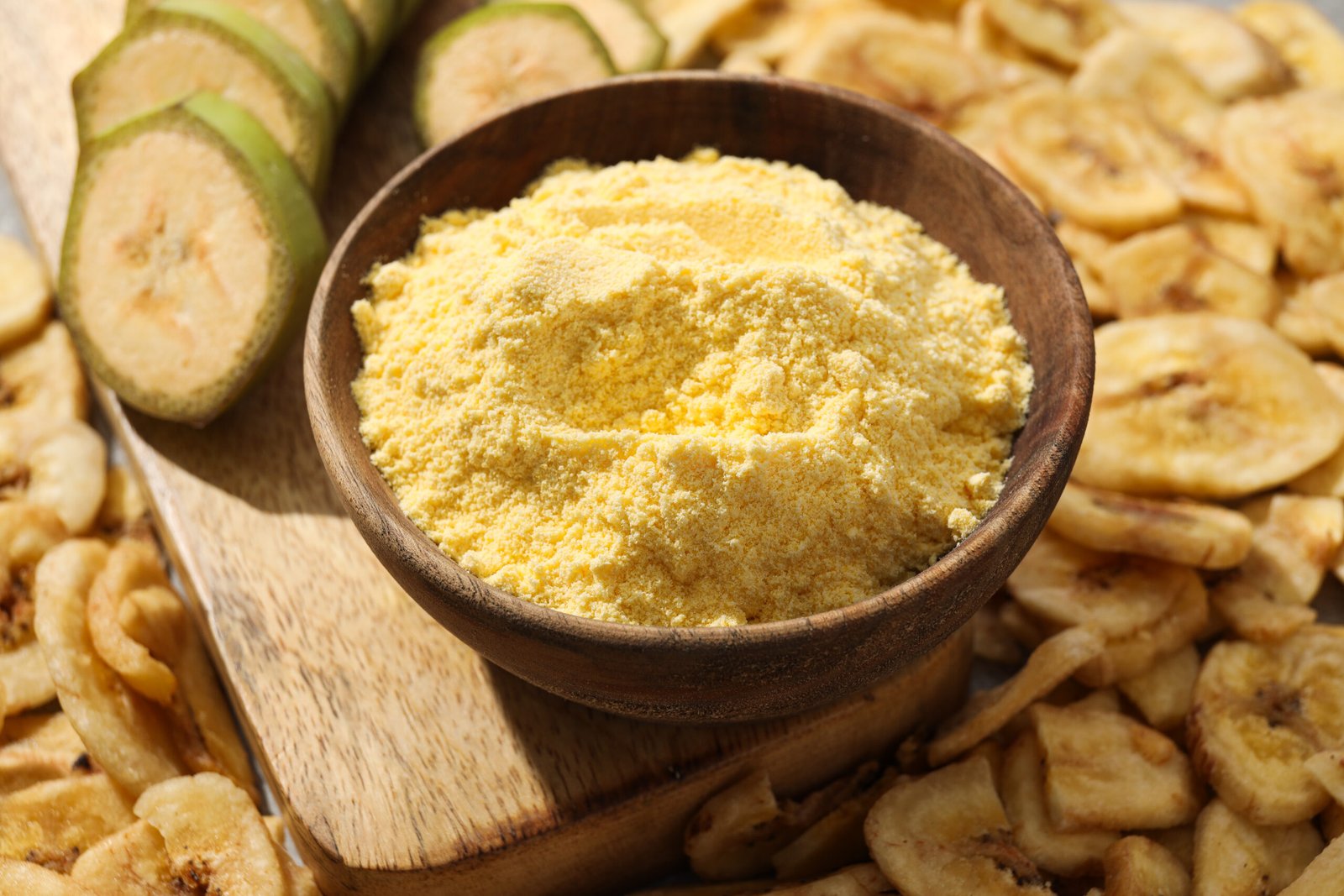
Besan & Pulse

Pharmaceutical

Protein & Nutraceutical

Specialty Powders
Sugar

Turmeric
Effective de-dusting captures dust at the point of generation — before it spreads through the workspace — then separates product-recoverable fines from fine residual dust and discharges clean air safely.
Operator Dust Exposure
Fine spice, flour and chemical dusts present respiratory health risks with extended exposure. Effective at-source capture through enclosed extraction points and filtration protects operators and meets occupational health requirements without disrupting production.
Product Loss in Exhaust Air
Dust vented to atmosphere from mills, blenders and conveyors represents real product loss — especially for high-value spice and pharma powders. Product-recovery filtration returns captured fines back into the process stream, improving yield directly.
Poor Workplace Air Quality
Dust-laden air in the processing area contaminates open surfaces, blends into product batches and fails food safety audits. Properly designed extraction maintains clean-room-like conditions in the processing zone — essential for BRC and FSSAI compliance.
Combustible Dust Risk
Spice, flour, sugar and many chemical dusts are classified as combustible. Uncontrolled dust accumulation creates explosion hazard. De-dusting systems designed for combustible dust include grounding, explosion venting, anti-static filter media and correct airflow management.

Cyclone Separator
Primary separation & product recovery
- Product Recovery
- Continuous Operation
- High Dust Load
- No Filter Media
- Primary Stage
Bag Filter
High-efficiency fine dust filtration
Fabric filter bags capture fine dust particles from the airstream with high efficiency — typically 99%+ at 1 µm. Pulse-jet compressed air cleaning regenerates the filter bags automatically during operation, maintaining continuous airflow without production interruption. The MillNest bag filter features efficient particulate collection, pulse-jet cleaning, compact and durable construction, and versatile application across food, spice, pharma and chemical dust types. Food-grade antistatic filter media available for combustible dust applications.
- 99%+ Filtration Efficiency
- Pulse-Jet Cleaning
- Continuous Operation
- Fine Dust
- Anti-Static Media
Dust Load
Heavy vs Light Dust Generation
High dust loads from mills and conveyors need cyclone primary separation to protect filter media. Lower loads at packing or blending vents may suit bag or cartridge collectors alone.
Particle Size
Coarse Fines vs Sub-Micron
Coarse fines above 10 µm are recovered efficiently by cyclones. Sub-micron pharma actives and pigment dusts need cartridge collectors for full capture at the required emission standard.
Process Conditions
Return to Process vs Waste
For high-value powders, captured fines should be returned to the process. Cyclone-bag filter combinations with rotary valves enable continuous product recovery without process interruption.
Production Scale
Explosibility Classification
Spice, flour, sugar and many chemical dusts are combustible. Systems for these materials need grounding, explosion relief venting, anti-static media and correct airflow design reviewed at specification stage.
Quick Reference: Solution Summary
Use this as a starting point — engineering review required before final selection
| Parameter | Details |
|---|---|
| Cyclone Separator | High dust loads, product recovery, primary separation upstream of bag filter, continuous operation |
| Bag Filter (Pulse-Jet) | 99%+ filtration efficiency, fine dust, continuous operation with auto-cleaning, food & spice lines |
| Cartridge Collector | Sub-micron filtration, compact footprint, pharma actives, pigments, low dust loads |
| Extraction Points | At-source capture at transfer points, bag tipping, packing machines, conveyor discharges |
| Suitable Dusts | Spice fines, flour dust, sugar dust, pharma actives, pigments, chemical powders |
| Combustible Dust | Anti-static media, grounding, explosion venting — reviewed at design stage |
| Next Step | Submit material details or request a trial review |
Granulation & Cutting
Controlled cutting and flaking for fibrous, tough and irregular materials.
Mixing & Blending
Uniform distribution of powders, granules, spices and specialty formulations.
Drying & Cooling
Moisture reduction, stabilisation and temperature conditioning for free-flowing powders.
Pulverizing & Milling
Every mill generates dust — cyclone-bag filter combinations are designed as part of the milling stage.
Material Handling & Conveying
Enclosed, hygienic transfer of powders and granules between process stages.
Weighing & Batching
Accurate dosing, recipe control and batch traceability for multi-ingredient production.
Pasteurization & Sterilization
Natural steam HT-ST microbial control for spices, herbs, seeds and regulated ingredients.
Waste Heat Recovery
Recover usable heat from process exhaust where technically viable to reduce energy costs.