

- Home /
- Industries /
- Agro & Fertilizer Powders
AGRO & FERTILIZER POWDER PROCESSING
Abrasion-resistant design
Hygroscopic material handling
Granule to powder
NPK Blends
Urea Powder
DAP & MAP
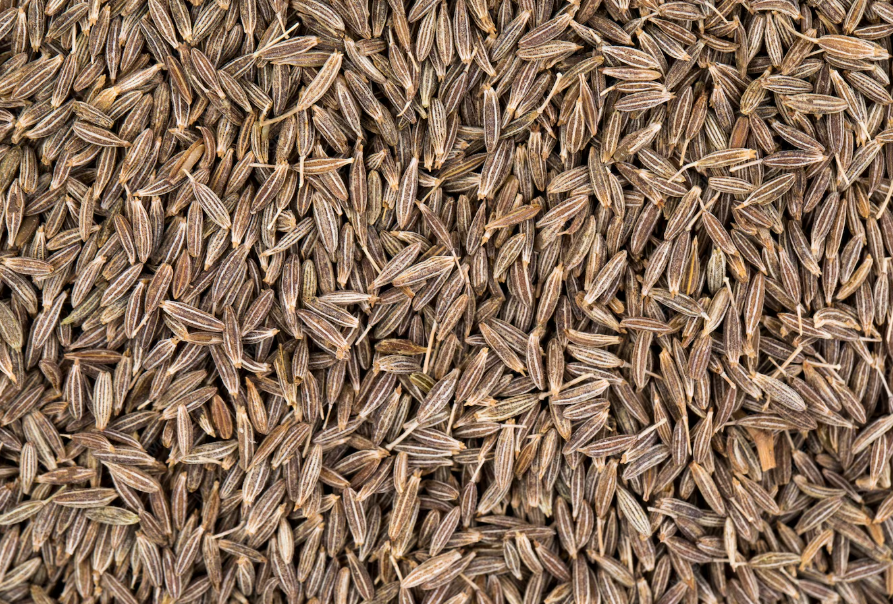
Micronutrient Mixes
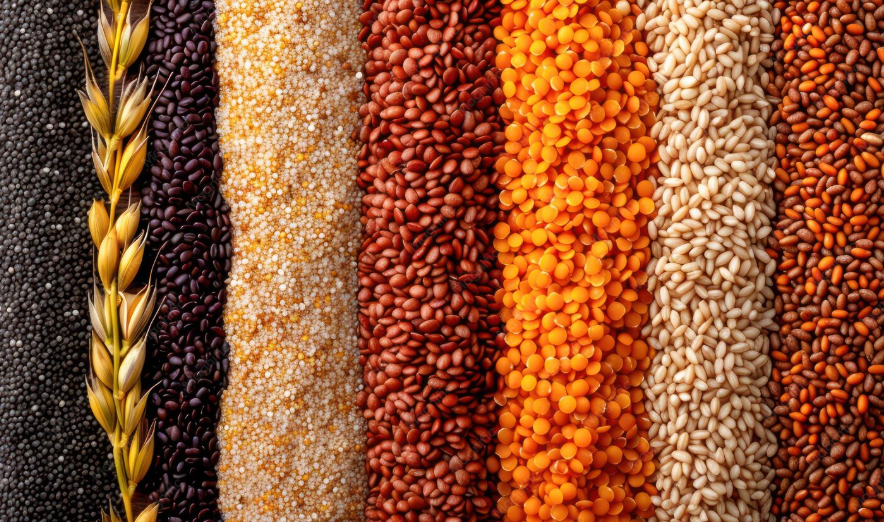
Bio-Fertilizer Powders
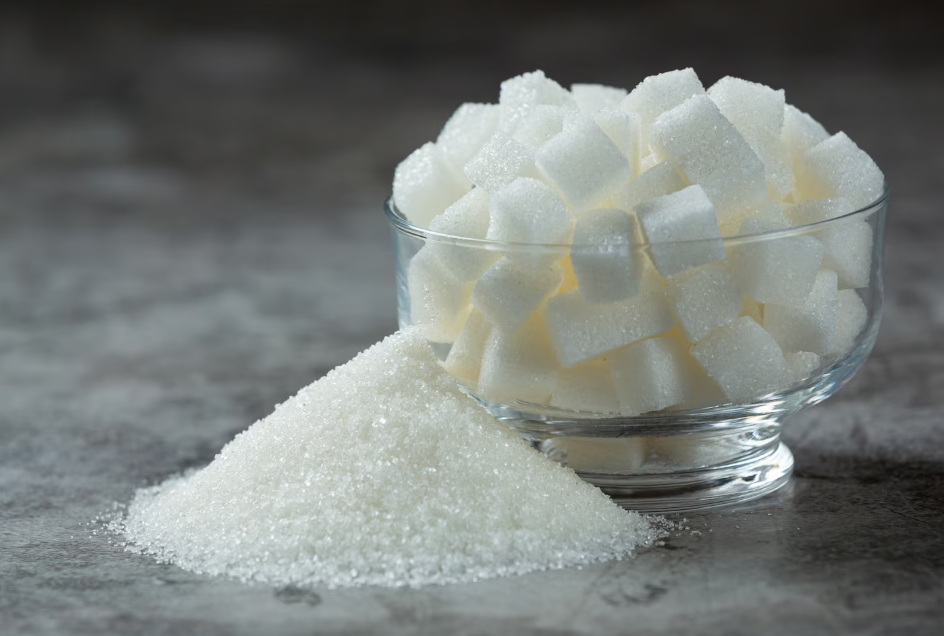
Water-Soluble Grades
Rock Phosphate
Most of these are avoidable if the equipment is selected with the right material data. They become expensive when they surface after commissioning.
Hard minerals eat through standard screen configurations fast
Rock phosphate and sulphate minerals sit in hardness ranges that wear standard hammer mill screens and liners within months. Without liner material matched to the specific mineral, maintenance intervals shorten significantly and product particle size drifts as screens open up.
Urea and ammonium salts cake at every open transfer point
These materials don't need much — an open discharge chute, a poorly sealed conveyor or a bag tip station without extraction is enough. Once caking starts, it blocks feeders, causes batch-to-batch inconsistency and jams packing lines. Sealed, enclosed handling from mill to pack is the only reliable answer.
NPK blend segregation — hard to catch, harder to correct
Dense granular potash settling under lighter ammonium sulphate is a real failure mode in multi-component fertilizer blending. It doesn't announce itself — batches look mixed but aren't. Correct blender selection, fill ratio and cycle time need to be established by trial on the actual formulation, not assumed from general blending data.
Heat generation during milling of sensitive salts
Standard high-speed impact milling generates localised heat that causes ammonium nitrate and certain NPK salts to smear on screens, cake at discharge or degrade. Low-energy milling configurations — lower rotor speeds, appropriate screen-to-rotor clearance — resolve this without sacrificing throughput.
Each row below pairs a process solution with the specific equipment used in fertilizer powder applications. Click either side to go deeper.
Converting prills and granules to specified powder
Most fertilizer raw materials arrive as prills or coarse granules — not finished powder. Controlled size reduction to specification requires matching the mill type and configuration to the material’s hardness, heat sensitivity and target particle distribution. Abrasion-resistant screen and liner options for hard minerals. Low-energy mode for heat-sensitive salts.
MHAM
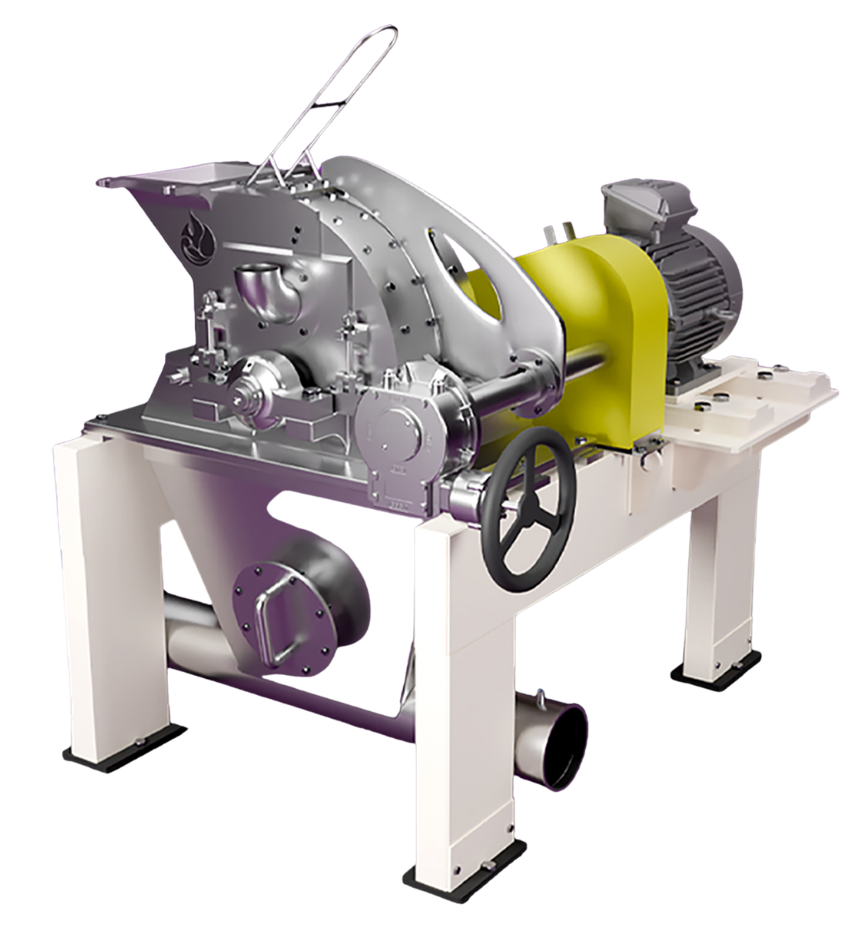
Hammer Mill
Primary prill and granule size reduction — abrasion-resistant configurations for hard mineral grades
MACM
Air Classifying Mill
Fine powder for water-soluble grades — D90 control, prevents heat build-up on sensitive salts
Multi-component NPK blending where density matters
MBRL
Ribbon Blender
Double-helical ribbon handles density variation across the full batch — standard choice for dry NPK mixing
MPBL
Paddle / Plough Blender
Where ribbon action doesn't achieve uniformity — denser, cohesive or difficult-to-blend formulations
Restoring flowability after storage or post-drying
Hygroscopic fertilizer powders cake reliably during storage, especially in monsoon conditions. A delumper before the blender or filling machine breaks agglomerates back to free-flowing powder without over-grinding the underlying particle — keeping the specification intact while restoring processability.
MLUM
Delumper
Gentle lump breaking on caked hygroscopic powders — restores flow without changing the powder spec
Enclosed transfer and dust capture across the full line
SCRW
Screw Conveyor
Sealed horizontal and inclined transfer for hygroscopic and abrasive fertilizer powders
CYCL / BAG
Cyclone + Bag Filter
Dust capture and product recovery at milling, transfer and packing points
Not every solution applies to every facility. These are the stages most commonly needed in fertilizer powder processing — each linked to detailed engineering and equipment information.
Pulverizing & Milling
Converting prilled or granular fertilizer inputs into fine powder — for water-soluble grades, foliar sprays and precision blended micronutrient products. Abrasion-resistant configurations available for hard mineral materials.
Mixing & Blending
Multi-ingredient NPK blending where density variation between components needs to be managed through correct fill ratio, blender geometry and cycle time. Ribbon and paddle configurations both used depending on formulation character.
Granulation & Cutting
Pre-sizing of oversized granules and breaking post-storage cakes back to free-flowing powder before blending or packing. The delumper is particularly useful after any storage stage involving hygroscopic materials.
Material Handling & Conveying
Enclosed transfer of abrasive and hygroscopic powders between process stages — without moisture ingress, product loss or contamination between formulations. Screw conveyor configurations with hardened liners for abrasive grades.
Weighing & Batching
Accurate ingredient dosing for multi-component NPK and micronutrient formulations — where small variations in trace element quantities can push a batch out of specification. Recipe management across multiple product grades.
De-Dusting & Filtration
Fertilizer dust at grinding and packing points requires capture and collection. Cyclone-bag filter systems recover valuable fine product and keep the working environment clean — particularly at milling, transfer and filling stages.
Selection is always confirmed after reviewing the specific material. These are the machines most frequently specified for fertilizer powder applications.

Hammer Mill
Primary grinding of prilled or granular fertilizer inputs. Screen-based output control, with abrasion-resistant screen and liner options for hard mineral grades.
Air Classifying Mill
Fine powder production for water-soluble and foliar fertilizer grades — D90 particle control with integrated classification to prevent overgrinding of heat-sensitive salts.
Ribbon Blender
NPK dry blending where multiple granular and powder ingredients need uniform distribution across the batch. Stainless steel and MS configurations based on corrosion risk of the specific formulation.
Delumper
Breaking hygroscopic fertilizer cakes before blending, conveying or packing — restoring free-flow without over-grinding the underlying particle to fines.