

- Home /
- Equipments /
- Mixing & Blending Systems
Mixing & Blending Solutions
Application-first engineering — blender selected after material and recipe review
Uniform blend results validated through material trials
Gentle or intensive mixing routes based on product sensitivity
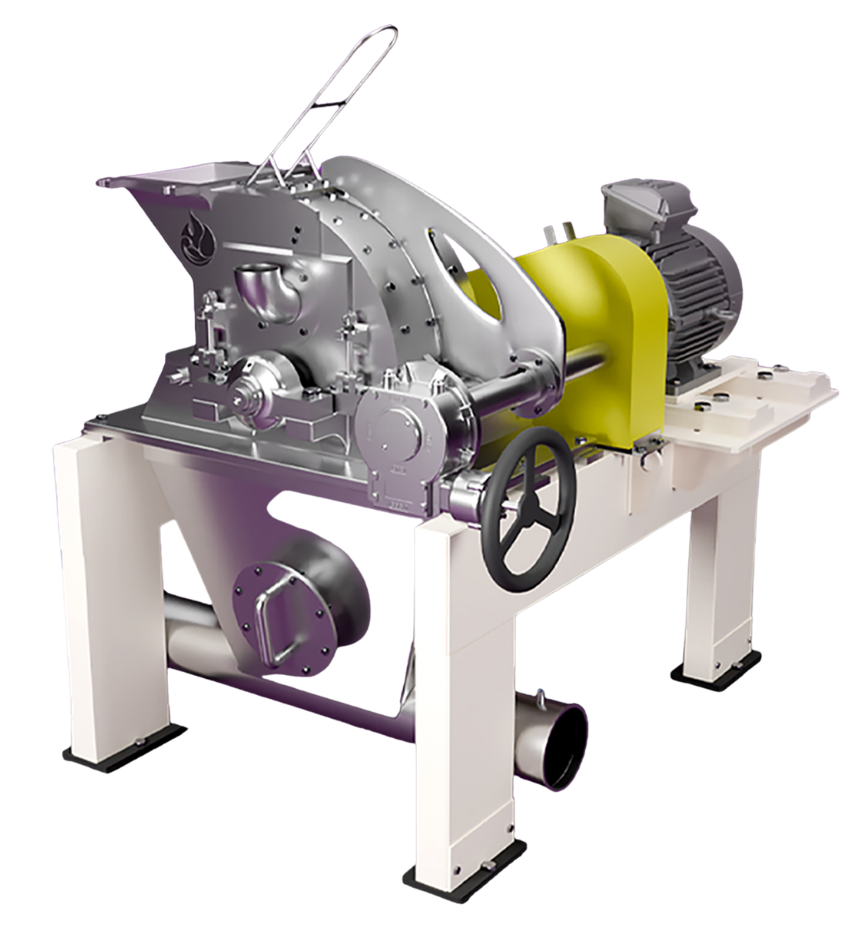
From free-flowing masala powders and instant mixes to dense nutraceutical blends and cohesive chemical formulations — blender selection starts with the material and the recipe.
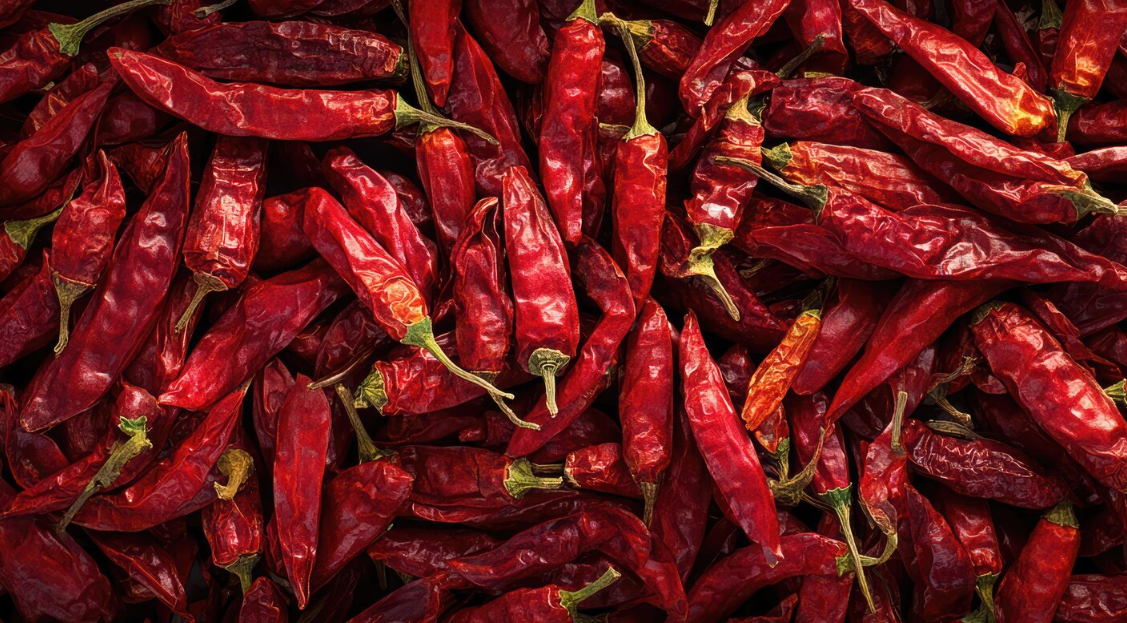
Chilli
Black Pepper
Chemicals & Pigments
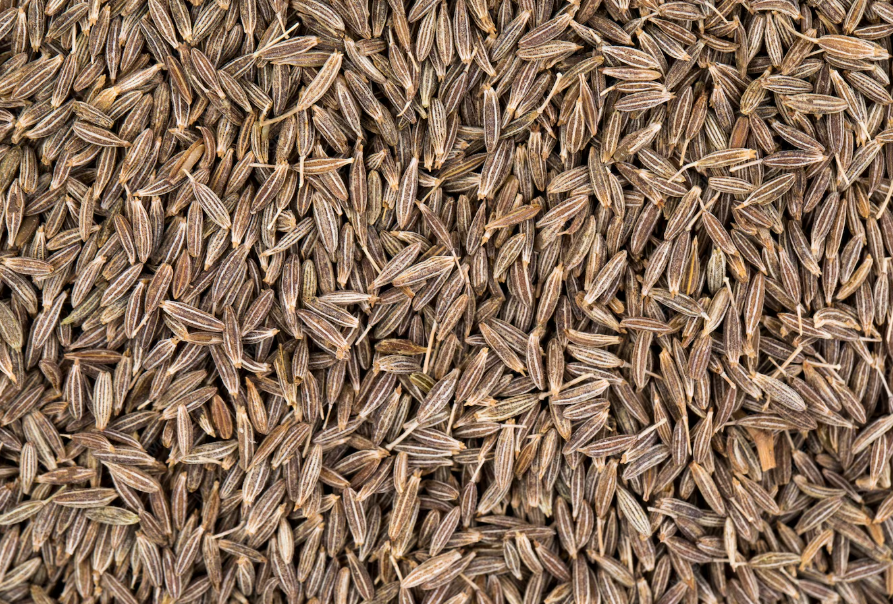
Cumin Seed Spice
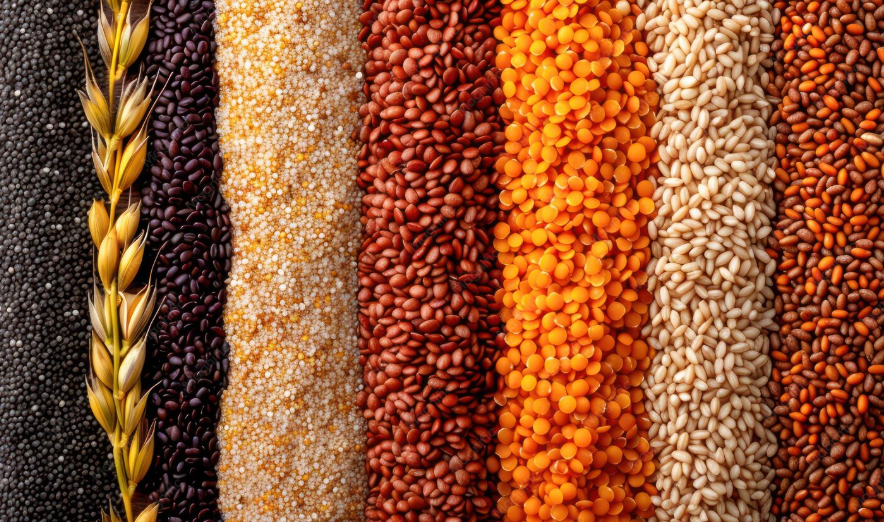
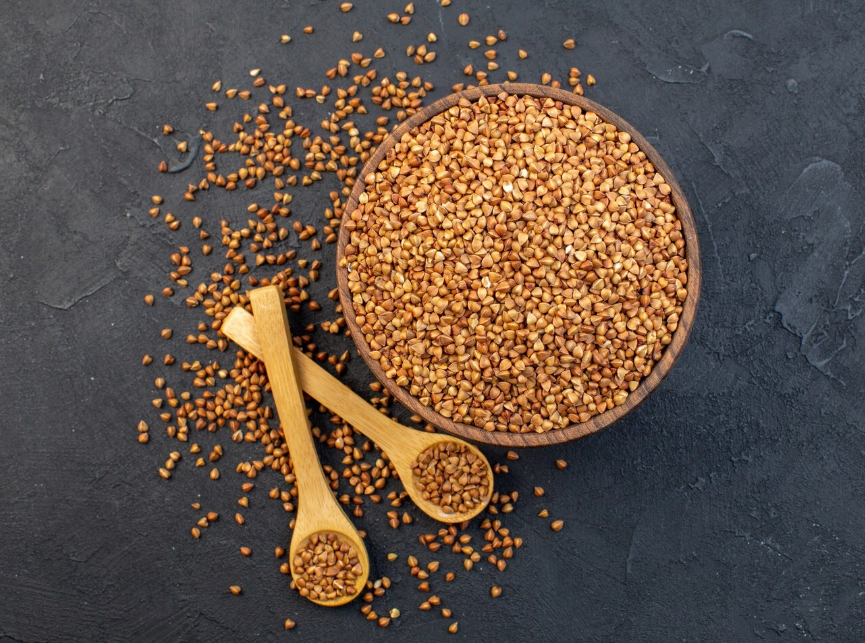
Grains & Grain
Coriander
Dehydrated Onion & Garlic
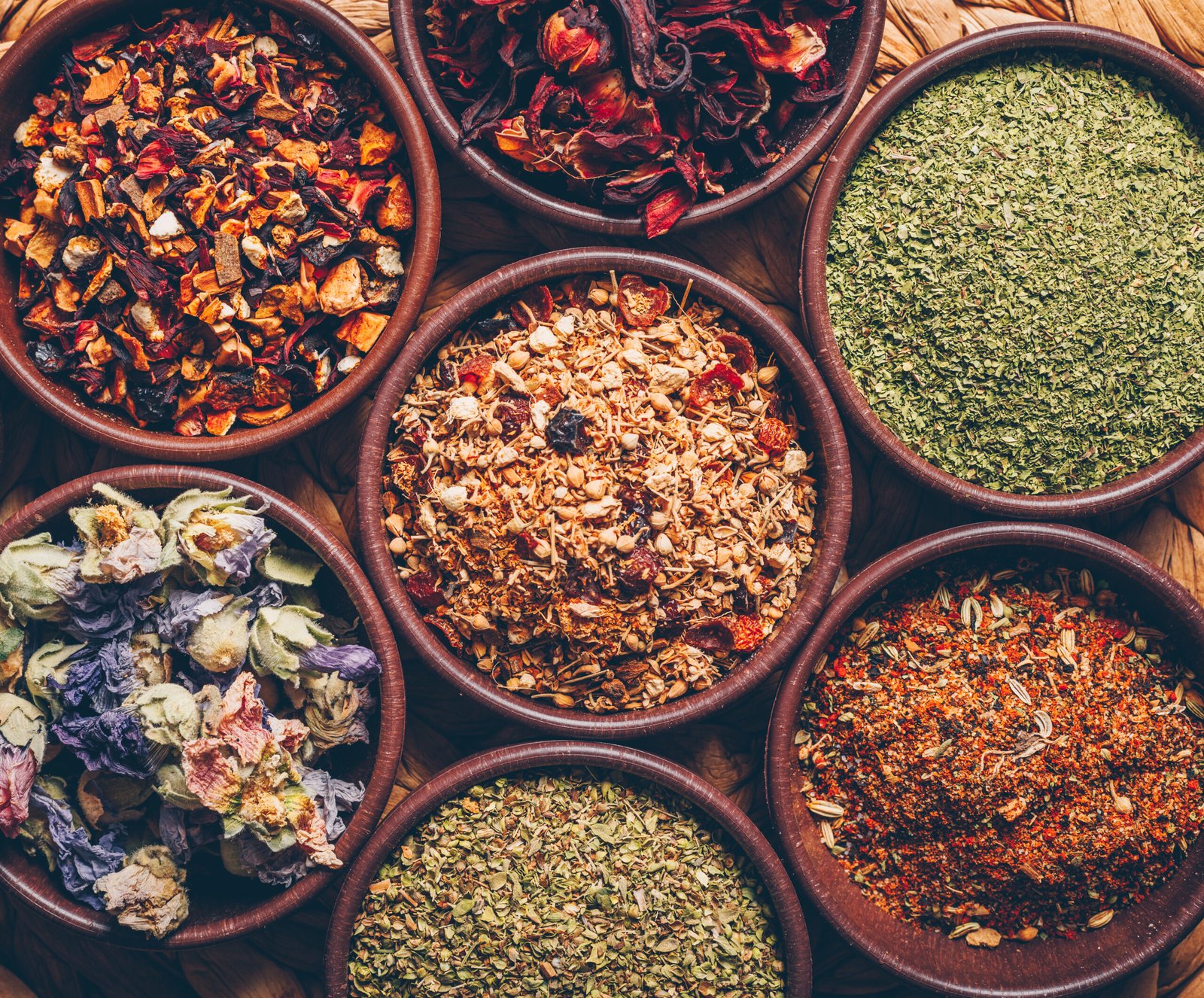
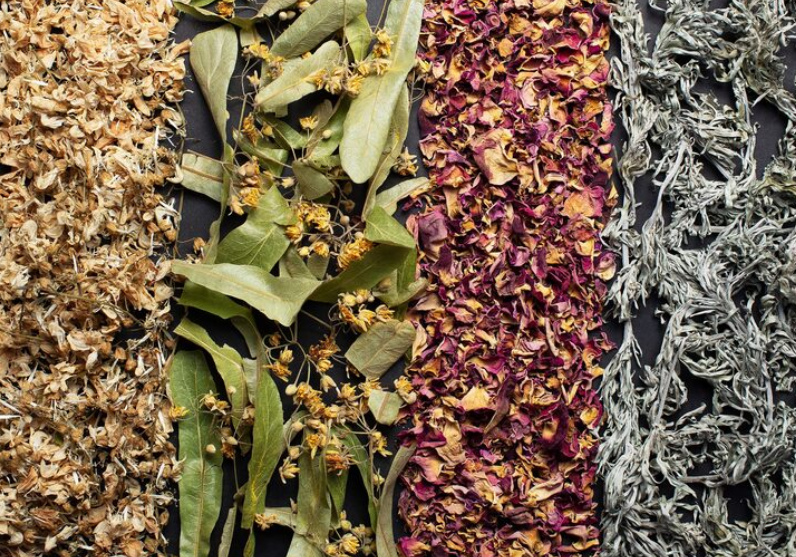
Dried Herbs
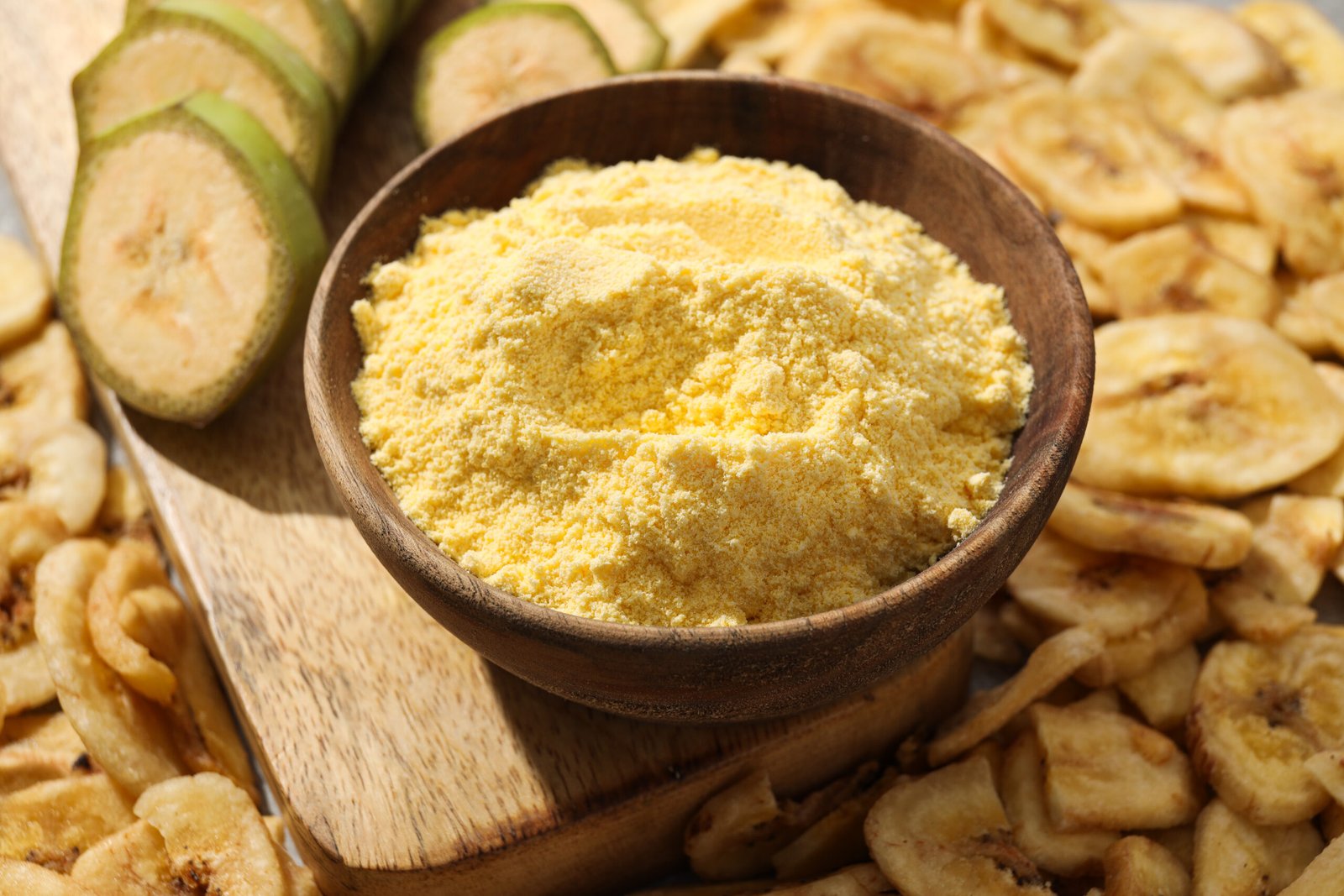
Besan & Pulse

Pharmaceutical
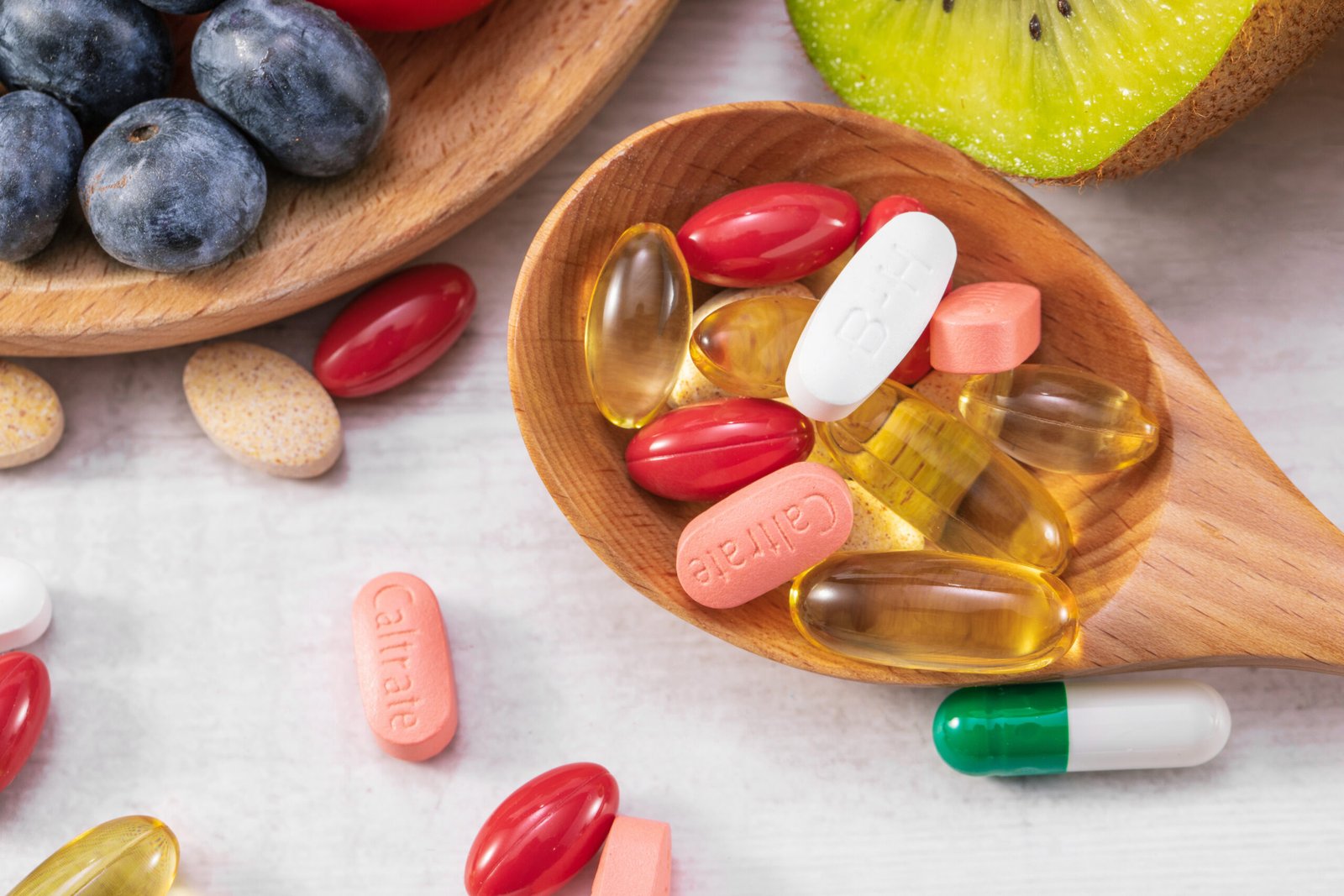
Protein & Nutraceutical
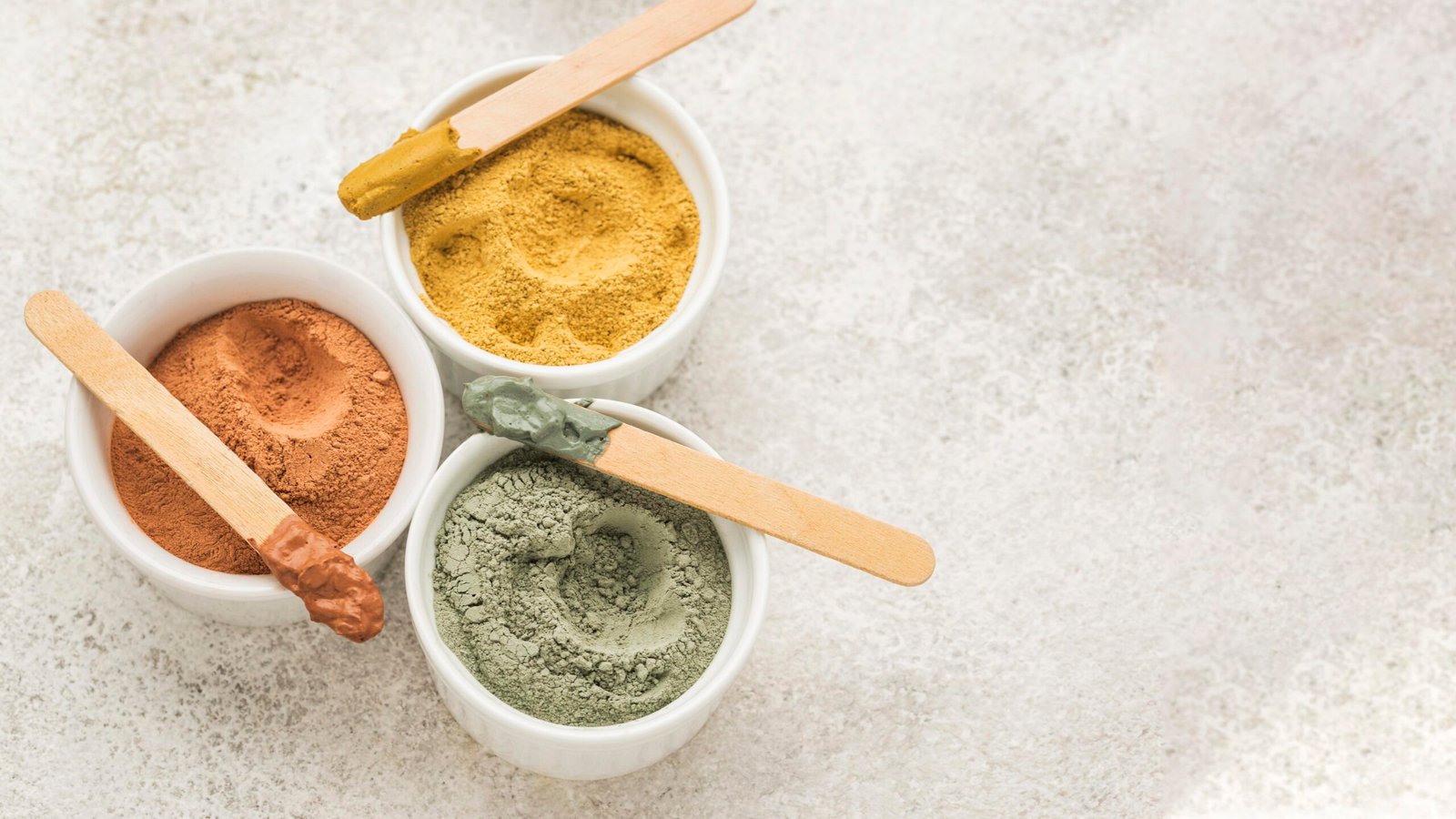
Specialty Powders
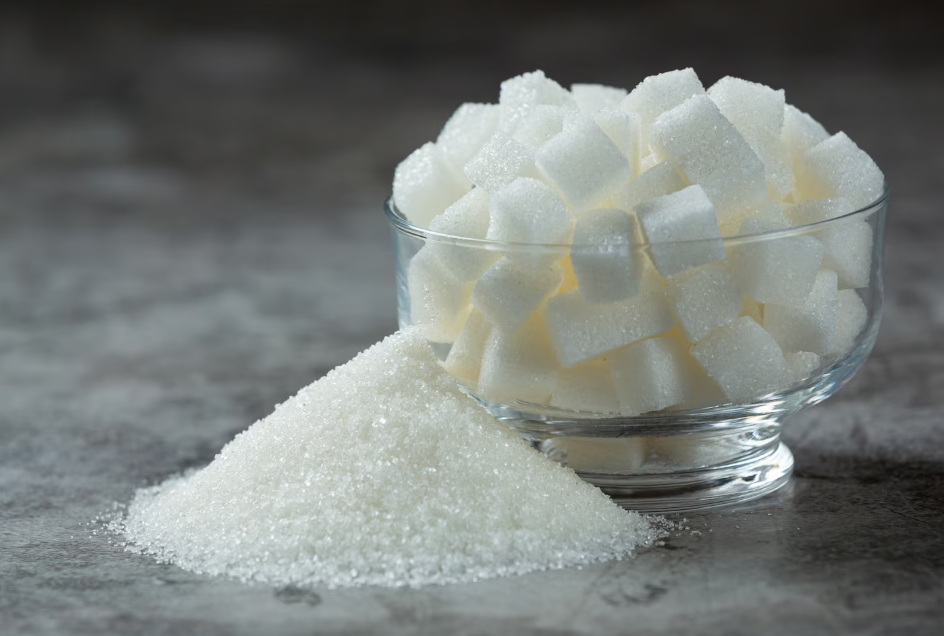
Sugar
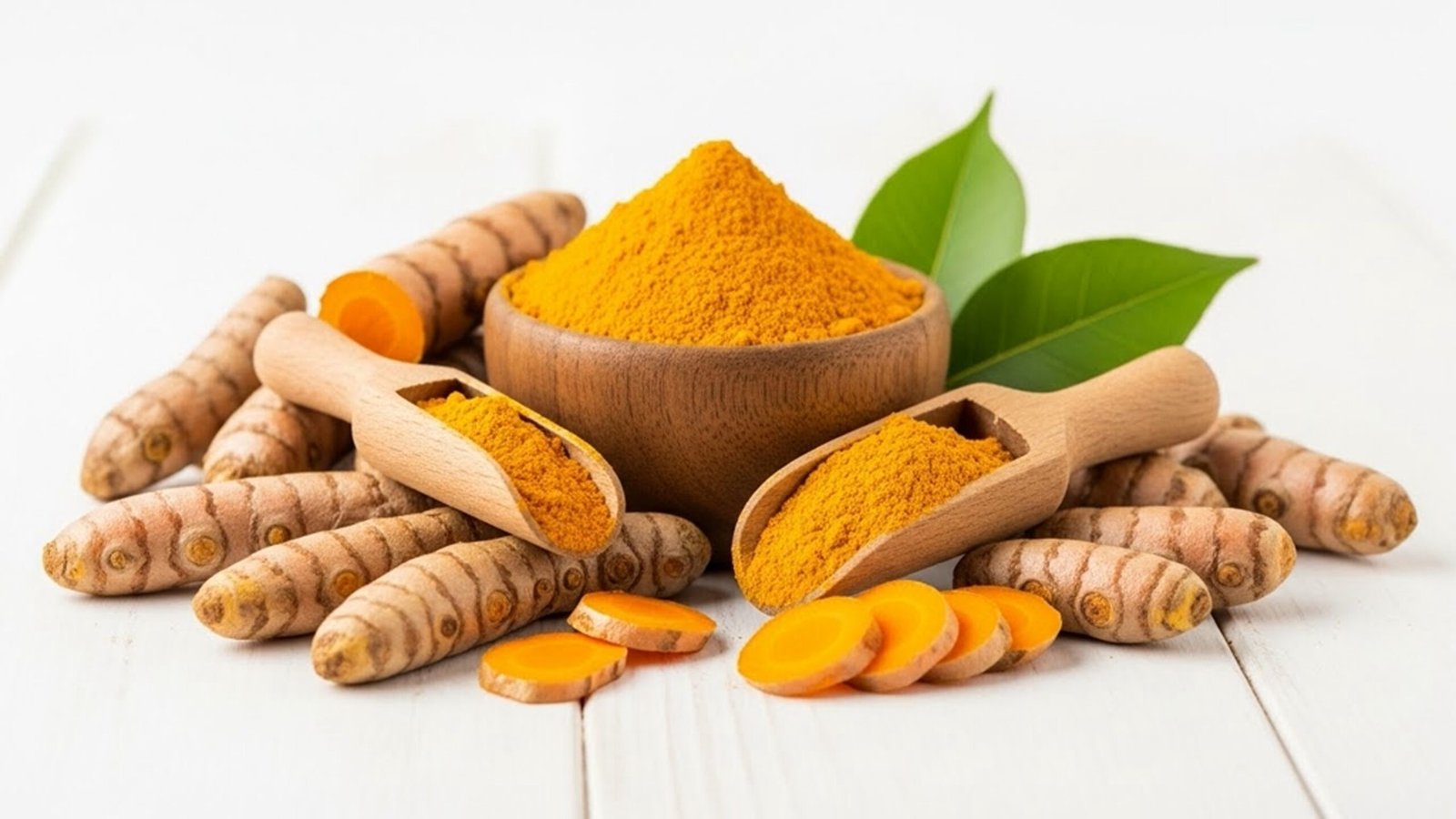
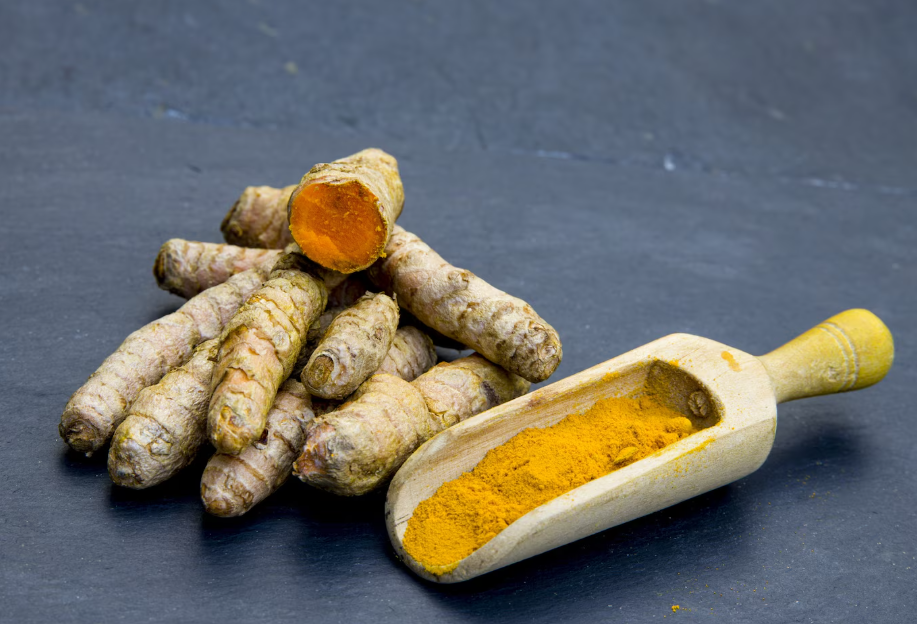
Turmeric
Each step is designed around your material’s specific behaviour and your downstream requirements.
Poor Blend Uniformity
Inconsistent distribution of minor ingredients — spice components, additives, active compounds — leads to batch-to-batch variation and quality failures. Blender geometry, fill ratio and cycle time all influence final uniformity.
Ingredient Segregation
Powders with different particle sizes and densities tend to separate during and after blending. This affects nutrient distribution in food, active content in pharma and consistency in seasoning blends.
Long Blending Times
Inefficient blender geometry forces extended cycle times to achieve target uniformity, reducing throughput and increasing energy use. The right machine design achieves homogeneity faster with lower energy per batch.
Cleaning Difficulty
Cross-contamination risk between batches and allergen management require blenders that clean quickly, completely and verifiably. Dead zones, complex geometry and poor discharge design all increase cleaning time and residue risk.
The MRBL Ribbon Blender suits free-flowing dry powders where batch repeatability and gentle handling matter. The MPBL Paddle / Plough Blender handles cohesive, dense and difficult-to-mix materials that need higher-intensity action.

Ribbon Blender
Uniform batch blending for free-flowing dry powders
- Masala Powders
- Instant Mixes
- Flour Blends
- Nutraceuticals
- Food Ingredients
Paddle / Plough Blender
High-intensity blending for difficult formulations
- Seasoning Blends
- Dense Powders
- Cohesive Materials
- Chemical Formulations
- Wet Mixes
Material Character
Flowability & Cohesion
Free-flowing powders suit ribbon blending. Cohesive, dense or moist materials need higher-intensity paddle or plough action to achieve uniform dispersion.
Recipe Complexity
Minor Ingredient Dispersion
Recipes with trace-level additives, colours or actives require faster and more intensive mixing to achieve target uniformity without extended cycle times.
Liquid Addition
Spray or Oil Coating
If the process requires oil, flavour or liquid addition during blending, machine configuration and spray system design need to be engineered together.
Cleaning & Changeover
Allergen & Cross-Contamination
Multi-product facilities with allergen control requirements need blenders with minimal dead zones, complete discharge and fast clean-out verification.
Quick Reference: Solution Summary
Engineering review required before final selection
| Parameter | Details |
|---|---|
| Suitable Materials | Masala blends, instant mixes, flour mixes, seasoning powders, nutraceuticals, pharma powders, chemical formulations |
| Machine Families | MRBL Ribbon Blender, MPBL Paddle / Plough Blender |
| Particle Size Range | Coarse (2000 µm) down to ultrafine (<10 µm) depending on configuration |
| Capacity Range | 10 kg/hr pilot to 5000 kg/hr production scale |
| Problems Addressed | Poor blend uniformity, segregation, long blend times, cleaning difficulty |
| Construction | MS, SS 304 / SS 316, food-grade and pharma-grade available |
| Next Step | Submit material and recipe details or request a trial review |
Pulverizing & Milling
Controlled cutting and flaking for fibrous, tough and irregular materials.
Granulation & Cutting
Controlled cutting and lump-size reduction for fibrous, tough and irregular feed materials.
Drying & Cooling
Moisture reduction, stabilisation and temperature conditioning for free-flowing powders.
De-Dusting & Filtration
Dust capture, product recovery and cleaner work environments for powder lines.
Material Handling & Conveying
Enclosed, hygienic transfer of powders and granules between process stages.
Weighing & Batching
Accurate dosing, recipe control and batch traceability for multi-ingredient production.
Pasteurization & Sterilization
Natural steam HT-ST microbial control for spices, herbs, seeds and regulated ingredients.
Waste Heat Recovery
Recover usable heat from process exhaust where technically viable to reduce energy costs.