

- Home /
- Process Solutions /
- Weighing & Batching
WEIGHING & BATCHING SOLUTIONS
Accurate ingredient dosing
From major components to trace-level additions
Recipe management
Multi-SKU, multi-ingredient production control
Batch traceability
Full documentation for compliance and QA

Chilli
Black Pepper
Chemicals & Pigments
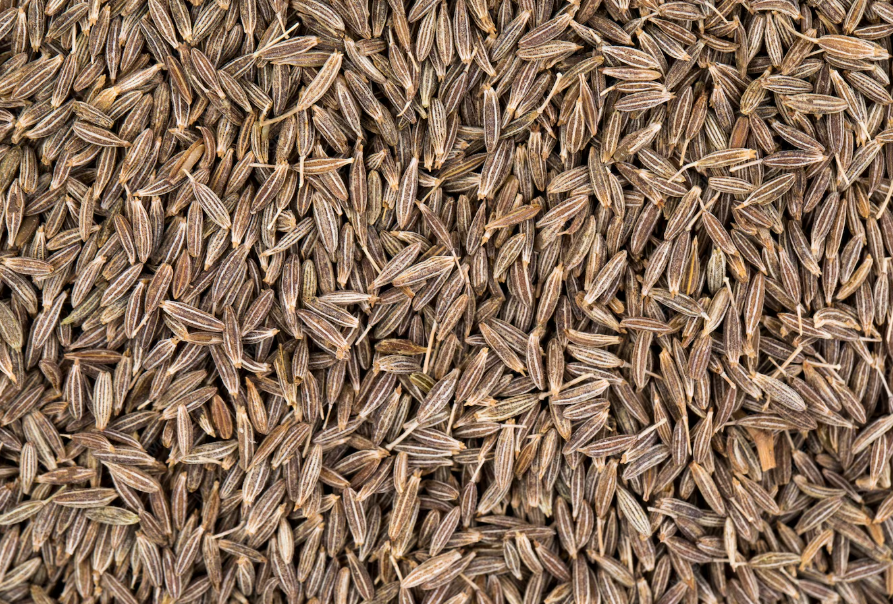
Cumin Seed Spice
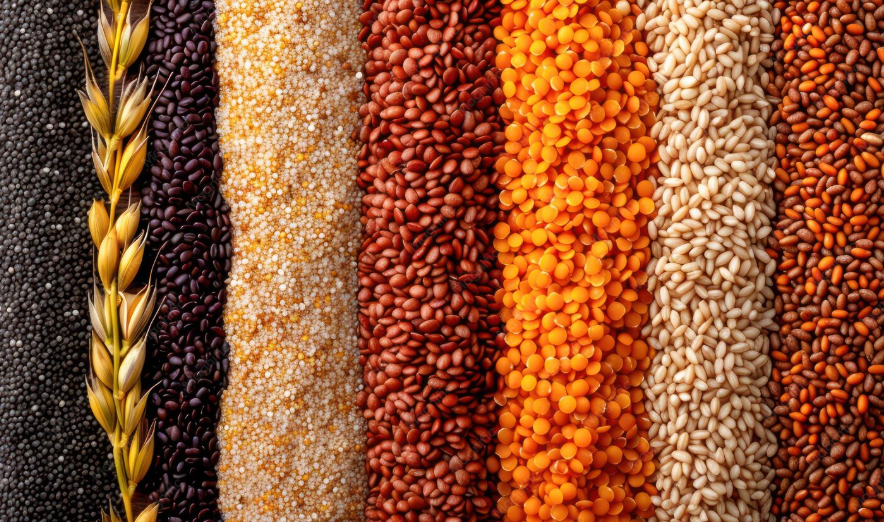
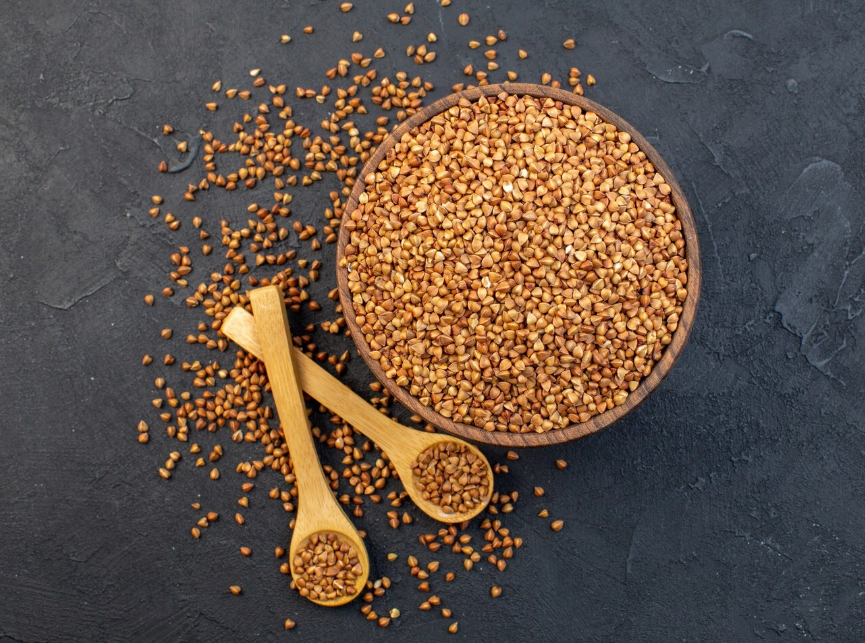
Grains & Grain

Coriander

Dehydrated Onion & Garlic

Dried Herbs
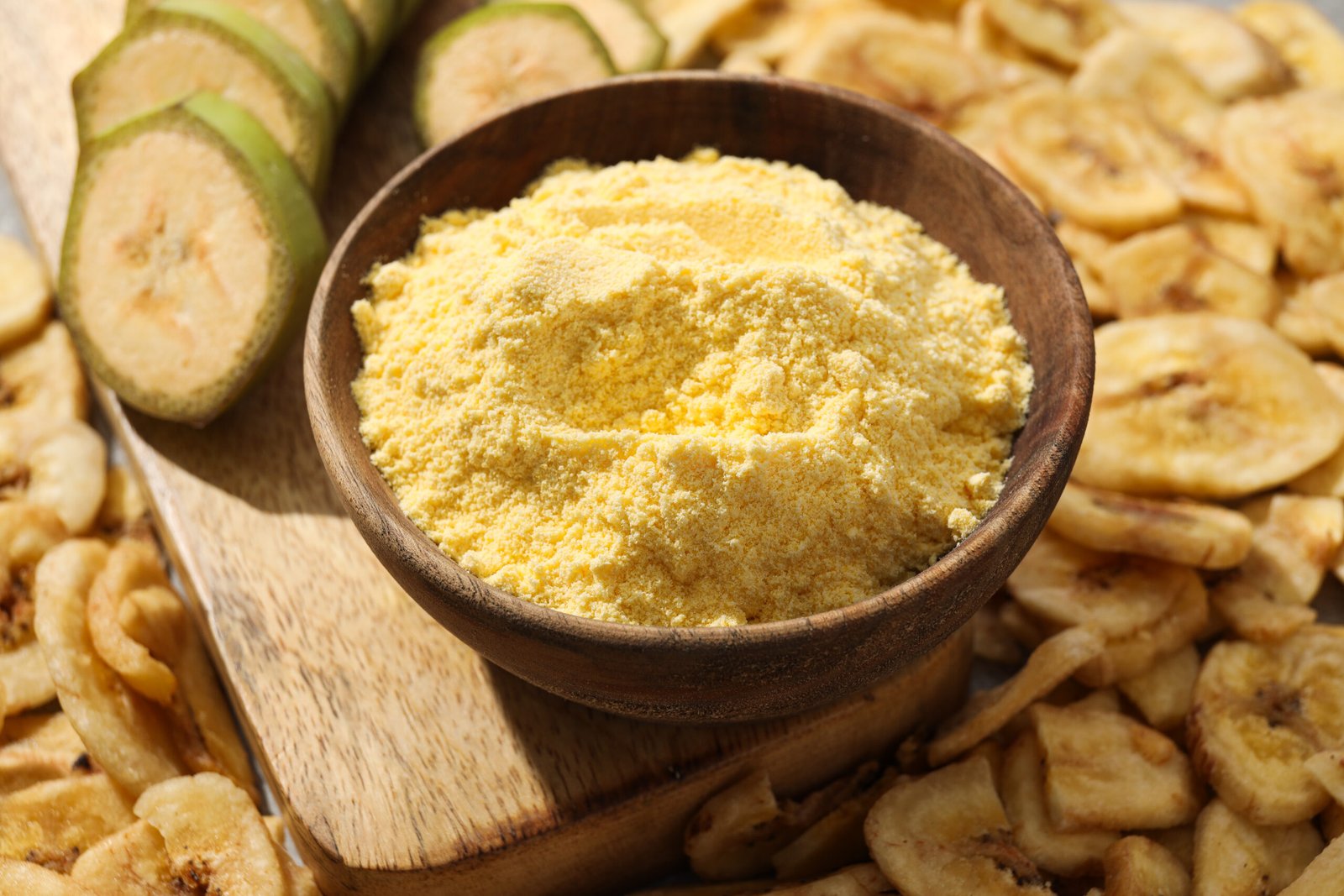
Besan & Pulse

Pharmaceutical

Protein & Nutraceutical

Specialty Powders
Sugar

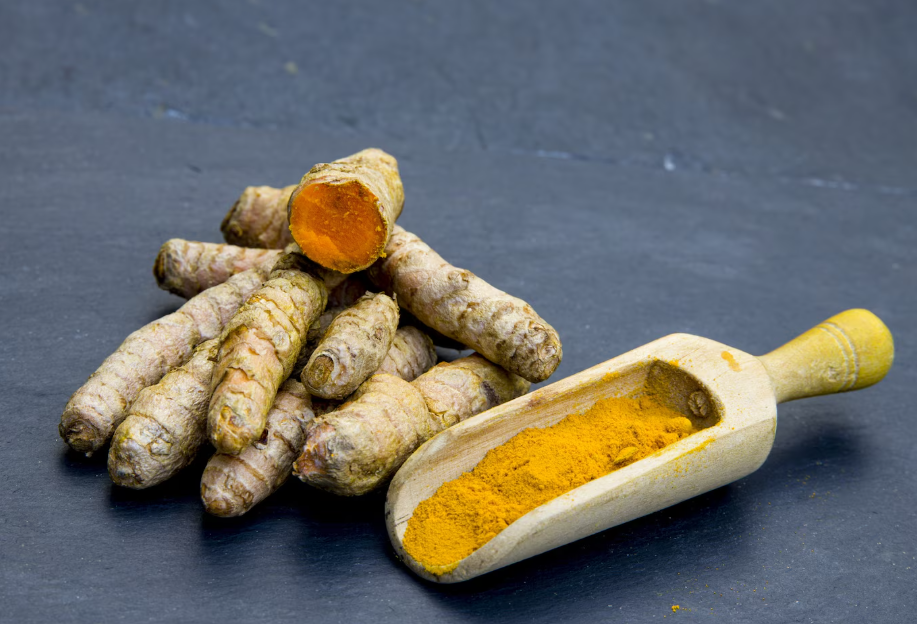
Turmeric
Dosing Inaccuracy on Free-Flowing Powders
Fast-flowing spice and food powders are difficult to dose accurately by volume. Minor overshoot during gravity filling throws a recipe off-spec without any indication to the operator. Load-cell-based weighing with cut-off control is the only reliable answer for high-throughput lines.
Trace-Level Ingredients Getting Lost in Manual Handling
Micronutrients, flavour enhancers and active pharmaceutical ingredients dosed in grams per batch require dedicated precision scales and controlled addition — not a ladle from a bag. Manual trace addition is the most common source of recipe deviation on multi-ingredient lines.
No Traceability When Something Goes Wrong
Without batch records, a quality complaint becomes an investigation that can consume a week. FSSAI, BRC and GMP audits all require documented lot-level traceability. Paper-based batch records introduce transcription errors — electronic batch recording at the weighing stage eliminates this.
Recipe Changeover Mistakes in Multi-SKU Production
Running 20 or 30 masala recipes on the same line creates real opportunity for operators to pull the wrong ingredient or use the previous recipe quantities. Recipe management systems that lock the batch sequence and prompt for each addition reduce changeover errors significantly.
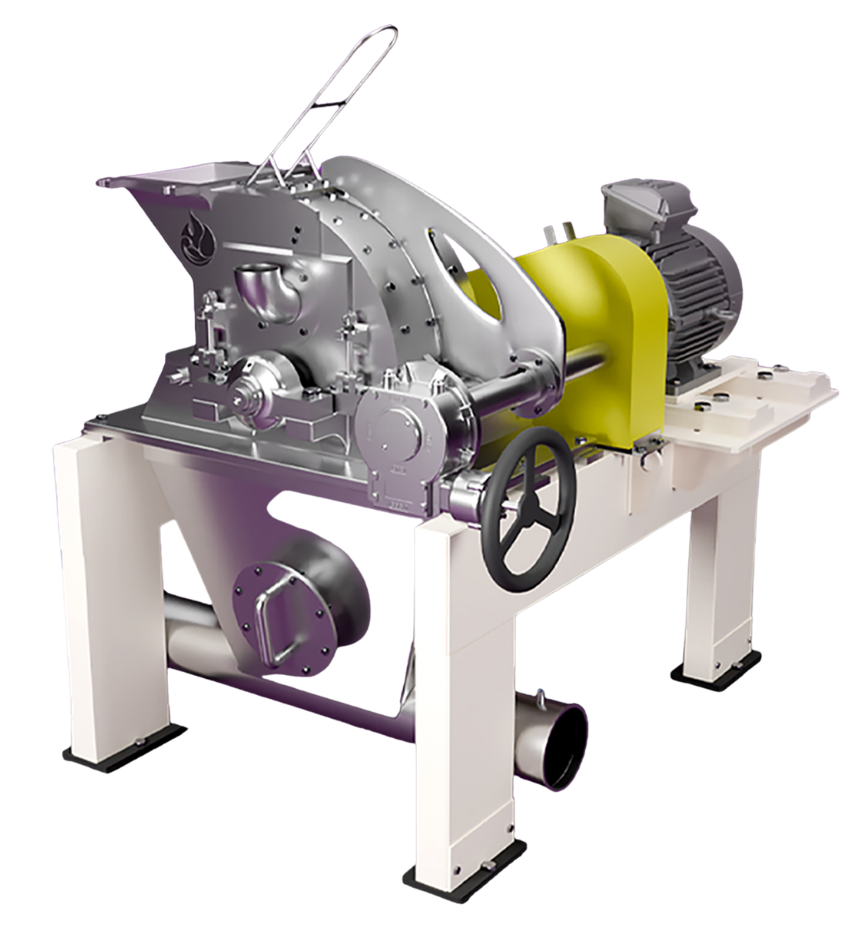
The MCUT Cutter Mill handles fibrous, leafy and tough materials requiring clean-cut geometry. The MLUM Delumper addresses caked, agglomerated and lumped powders that need gentle de-agglomeration before further processing.

Operator-Guided Batching Station
Guided manual weighing with digital verification
- Woody Spices
- Dried Herbs
- Leafy Materials
- Dehydrated Vegetables
Loss-in-Weight Dosing System
Continuous controlled feed with real-time weight feedback
- Caked Powders
- Sugar Agglomerates
- Post-Drying Lumps
- Chemical Lumps
Feed Material
Fibrous vs Caked
Fibrous, leafy or tough whole materials need a cutter. Caked, agglomerated or lumped powders need a delumper. Each operates differently — review is required before selection.
Reduction Target
Cut Size vs De-agglomeration
Cutter mills target a specific cut size range for downstream mixing or packing. Delumpers restore flowability without significant particle size reduction.
Downstream Use
Pre-Milling or Pre-Blending
Heat-sensitive materials require low-energy milling routes. Food-grade and pharma applications need hygienic design and validation support.
Fines Tolerance
Yield & Quality Impact
For premium herb or spice products where fines reduce value, cutting provides better particle geometry and higher yield than impact milling of fibrous materials.
Quick Reference: Solution Summary
Engineering review required before final selection
| Parameter | Details |
|---|---|
| Suitable Materials | Dried herbs, woody spices, dehydrated vegetables, caked powders, sugar agglomerates, agri by-products, chemical lumps |
| Machine Families | MCUT Cutter Mill, MLUM Delumper |
| Output Form | Defined flake / granule (MCUT) or restored free-flowing powder (MLUM) |
| Capacity Range | Small-batch pilot to continuous production — configuration dependent |
| Problems Addressed | Fibrous feed, excess fines, caking & lumps, poor downstream flow |
| Construction | MS, SS 304 / SS 316, food-grade and pharma-grade available |
| Next Step | Submit material details or request a trial review |